
To the east of the tropical island paradise of Bali lie the Lesser Sundas, the most varied island group along the 5000km Indonesian chain. We will concentrate on just four of the islands (though we visit six!) which, although relatively small, show an amazing degree of endemism. During the tour we hope to see at least 70 species endemic to these islands including some of Indonesia’s rarest and least known species.
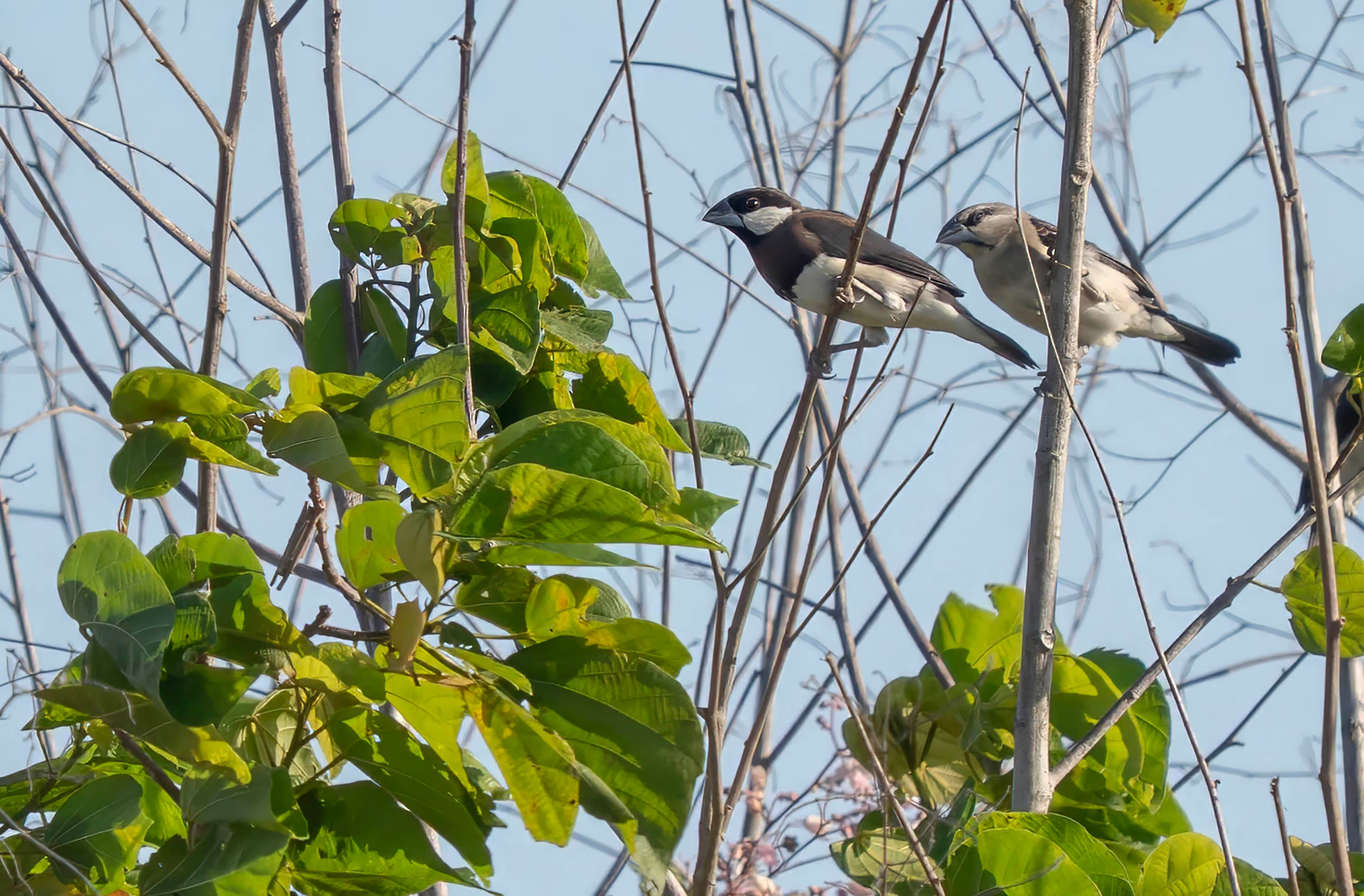
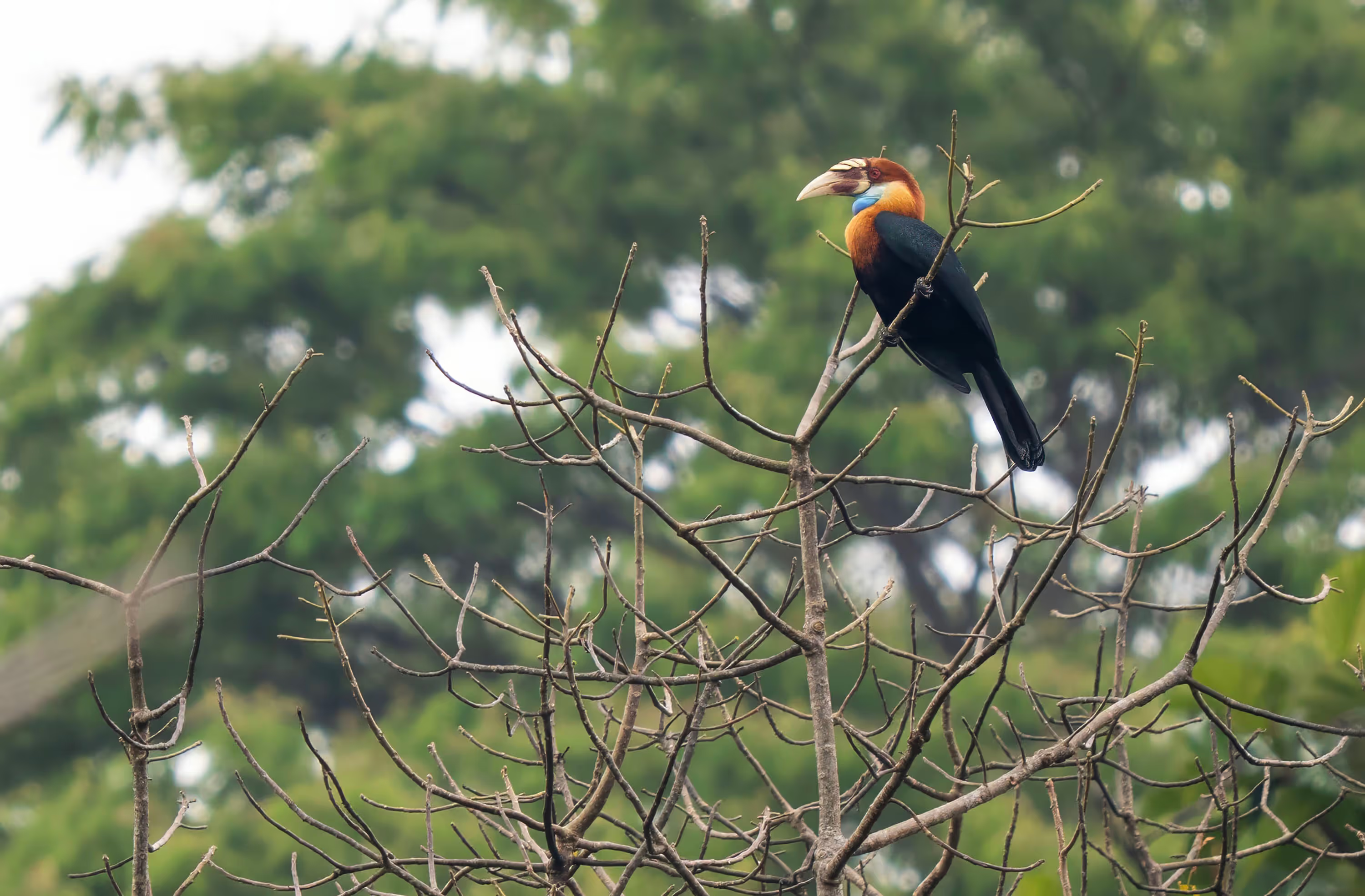
Starting on the dry, arid island of Sumba, we will concentrate on remaining patches of monsoon forest searching for the rare Sumba Hornbill, Sumba Myzomela and the spectacular Red-naped Fruit Dove among the 13 endemics. A short flight brings us to Timor, where a remarkably varied endemic avifauna awaits us as we bird from coastal grazing fields to montane forest in search of mouth-watering specialties such as Timor Sparrow, Black-banded Flycatcher and Orange-banded Thrush. We were the first tour company to visit the fascinating island of Rote, with four endemics on our radar.
The elongated island of Flores, dotted by rumbling volcanos, is an impressive site and boosts an array of little-known endemics, including Flores Scops Owl, Flores Monarch and White-rumped Kingfisher. The tour finishes off with an exhilarating visit to the idyllic Komodo Island, home to the infamous Komodo Dragons and, most importantly for us, the Critically Endangered Yellow-crested Cockatoo.
Day 1:
Arrivals into Denpasar International Airport, situated in the south-west corner of the beautiful island of Bali, in preparation for our onward journey to the Lesser Sundas, with a group dinner in the evening. Night in Kuta, Bali.
Day 2:
We take a morning flight from Bali to Waingapu, then drive to our base in the charming village of Billa. Late afternoon birding on arrival, plus some post-dusk owling in search of Little and Greater Sumba Boobooks. Night in Billa.
Days 3-4:
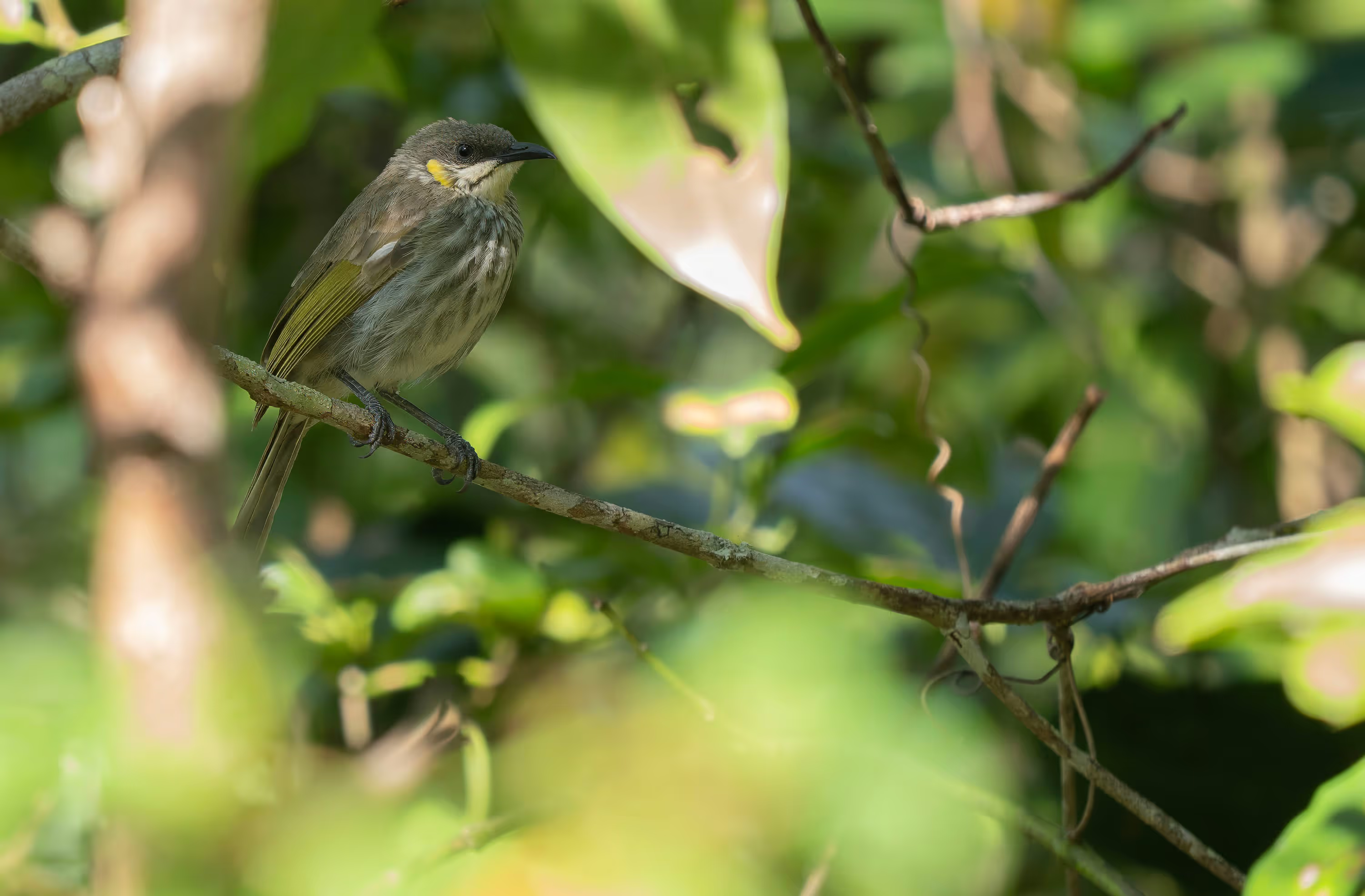
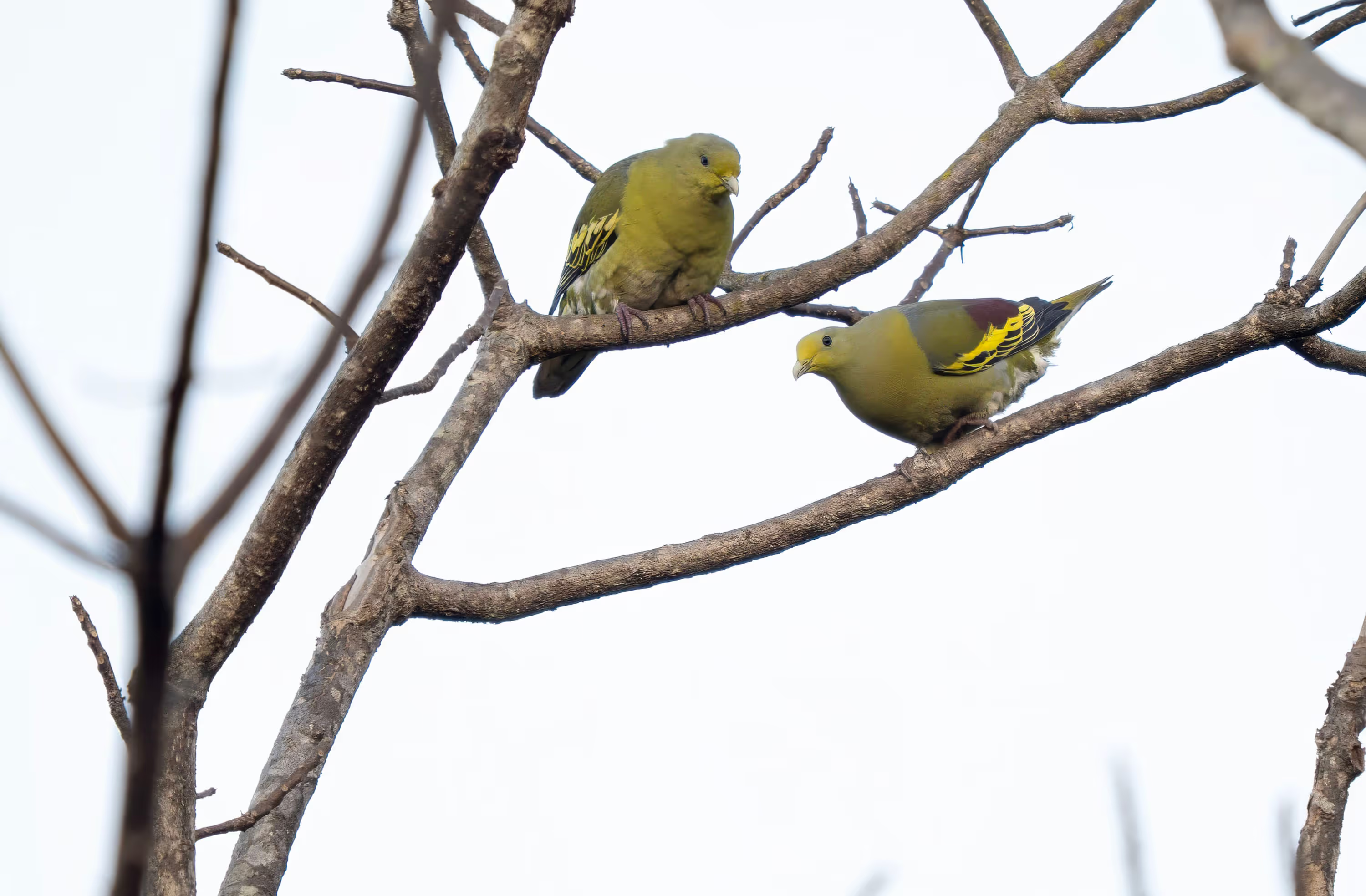
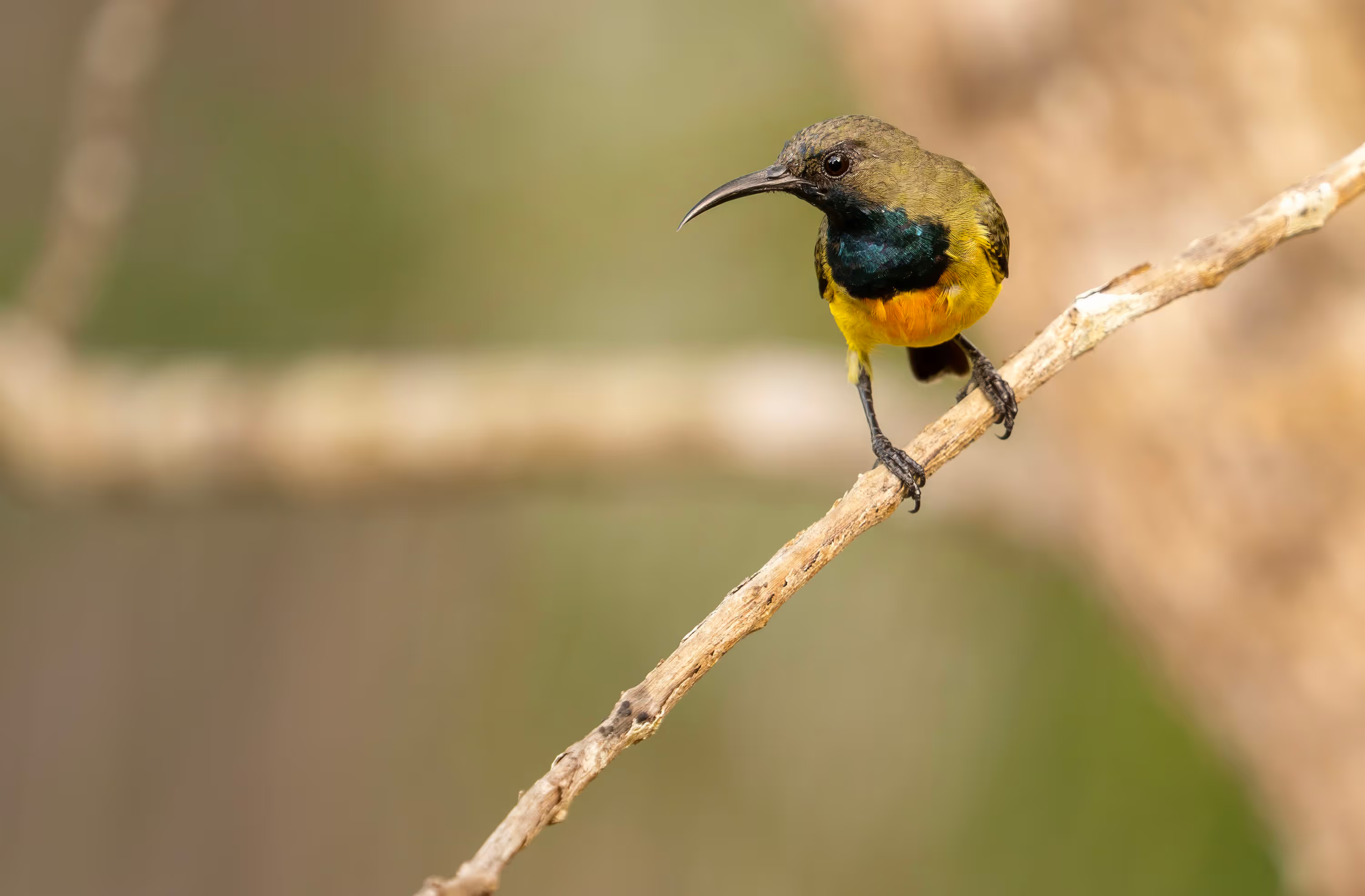
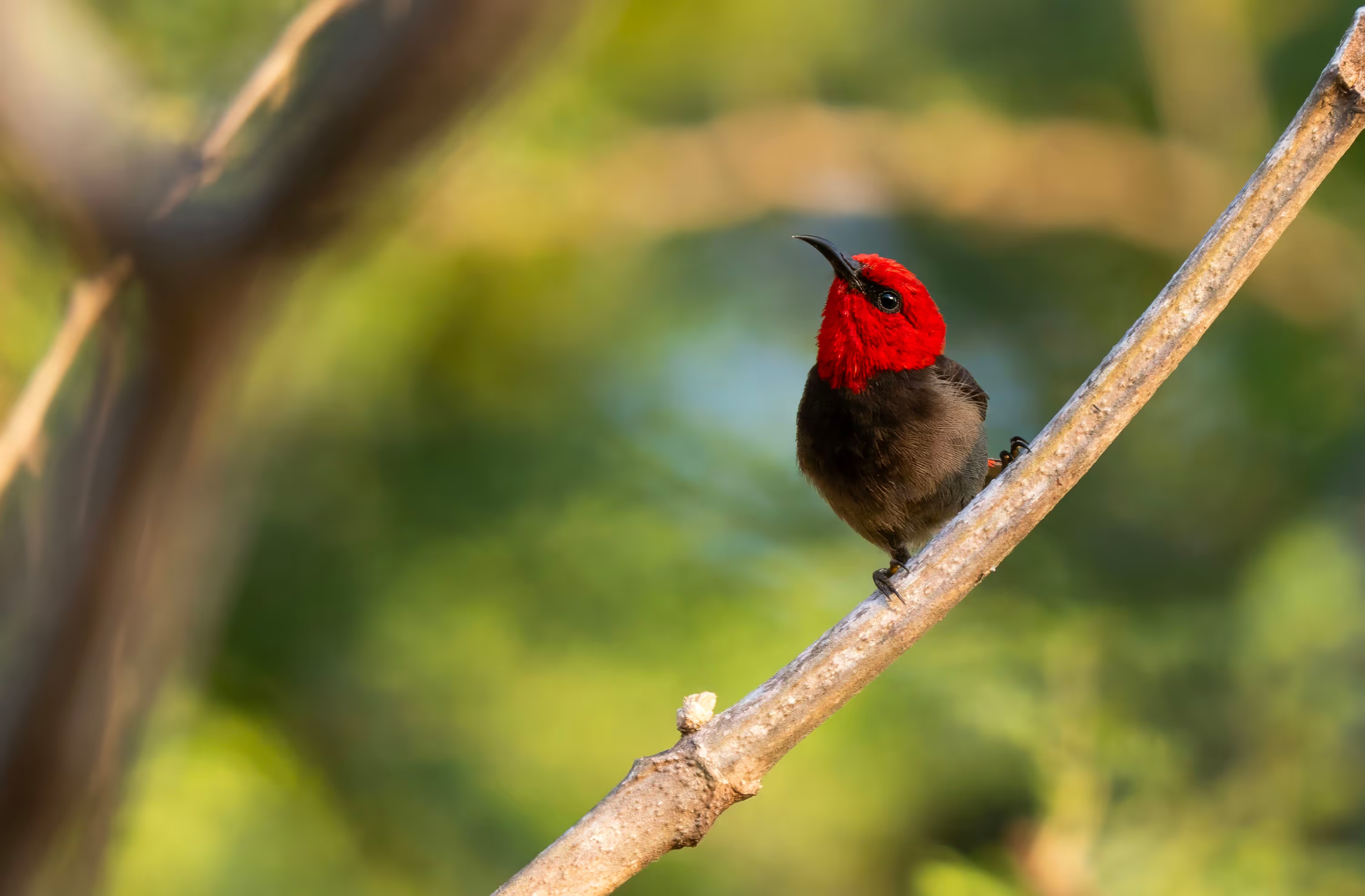
One and a half days will be spent in the forest patches close to Billa village.Birding will be along the quiet roads through forest patches in search of Sumba's rare endemics, including the endangered Sumba Hornbill and Citron-crested Cockatoo, and the three endemic flycatchers; Sumba, Sumba Brown and Sumba Warbling Flycatchers, along with the rest of the endemics – Sumba Eclectus, Sumba Green Pigeon, spectacular Red-naped Fruit Dove, Sumba Myzomela, Apricot-breasted Sunbird and Sumba Flowerpecker. Other species that inhabit these bird-rich forests include a variety of spectacular parrots including Marigold Lorikeet, Red-cheeked and Great-billed Parrots. More widespread regional endemics include Chestnut-backed Thrush, Elegant Pitta, Cinnamon-banded Kingfisher, Wallace's Heleia, Tenggara Paradise-flycatcher, Tenggara Whistler, Wallacean Cuckooshrike and Orange-footed Scrubfowl are just a few of the species lurking in the undergrowth. Waiting in the fading light we hope to hear and track down the distinctive calls of Sumba's two endemic Ninox owls, the gorgeous Greater Sumba Boobook and the recently described Little Sumba Boobook, along with Eastern Barn Owl and Mees’s Nightjar. After morning birding on day 4 we head to the coastal grasslands in search of the elusive Sumba Buttonquail and hope for more than just a fleeting glimpse of these shy birds. Other species occurring in the grasslands include Brown Quail, Brown Honeyeater, Spotted Kestrel, Zebra Finch and Five-coloured Munia. Night of day 4 at Waingapu.
Day 5:
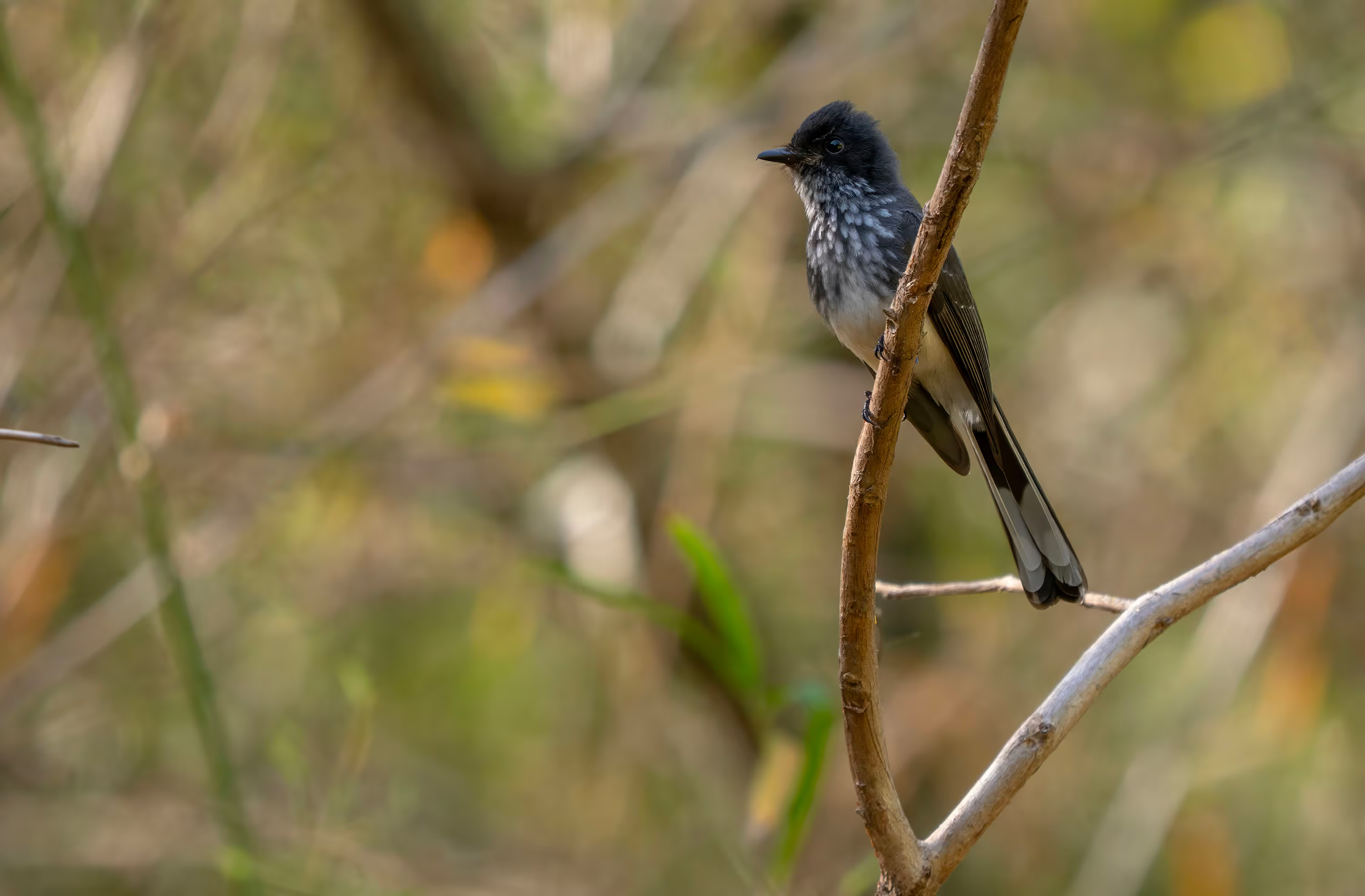
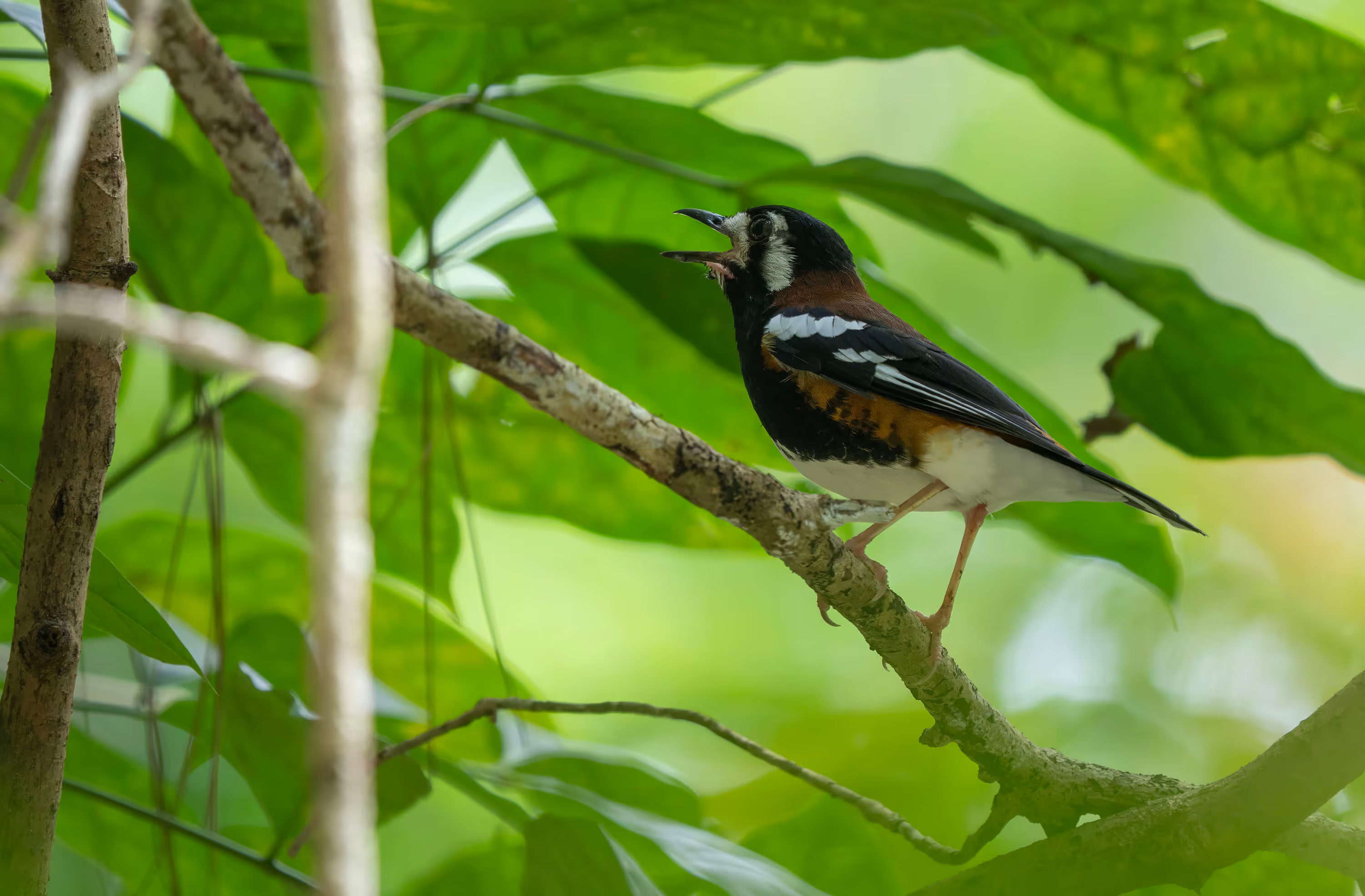
We take the short flight from Waingapu to Kupang Airport, situated on the west coast of Timor. The avifauna of this island is noticeably Australasian with a markedly dry landscape. Upon arrival we head to Soe stopping on the way to look for our first Timor and regional endemics which might include Orange-banded Thrush,Fawn-breasted Whistler, Timor Stubtail and Timor Thicketbird, Timor Heleia, Timor Warbling-flycatcher, Timor Oriole and Timor Friarbird all occur here, and with luck we can hope to see the elusive Black-banded Flycatcher in the bamboo thickets.
After our arrival in Soe, we take lunch then explore a small forest patch in the afternoon looking for two of Timor's hardest species; Black Cuckoo-Dove andTimor Cuckoo-Dove. This site also gives us a nice back-up for Black-banded Flycatcher, Timor Sparrow, Black-banded Fruit Dove and Timor Bushchat. We have a chance of Timor Boobook, and even the recently described Timor Nightjar, endemic to Rote, Timor and Wetar. Night at Soe.
Days 6-7:
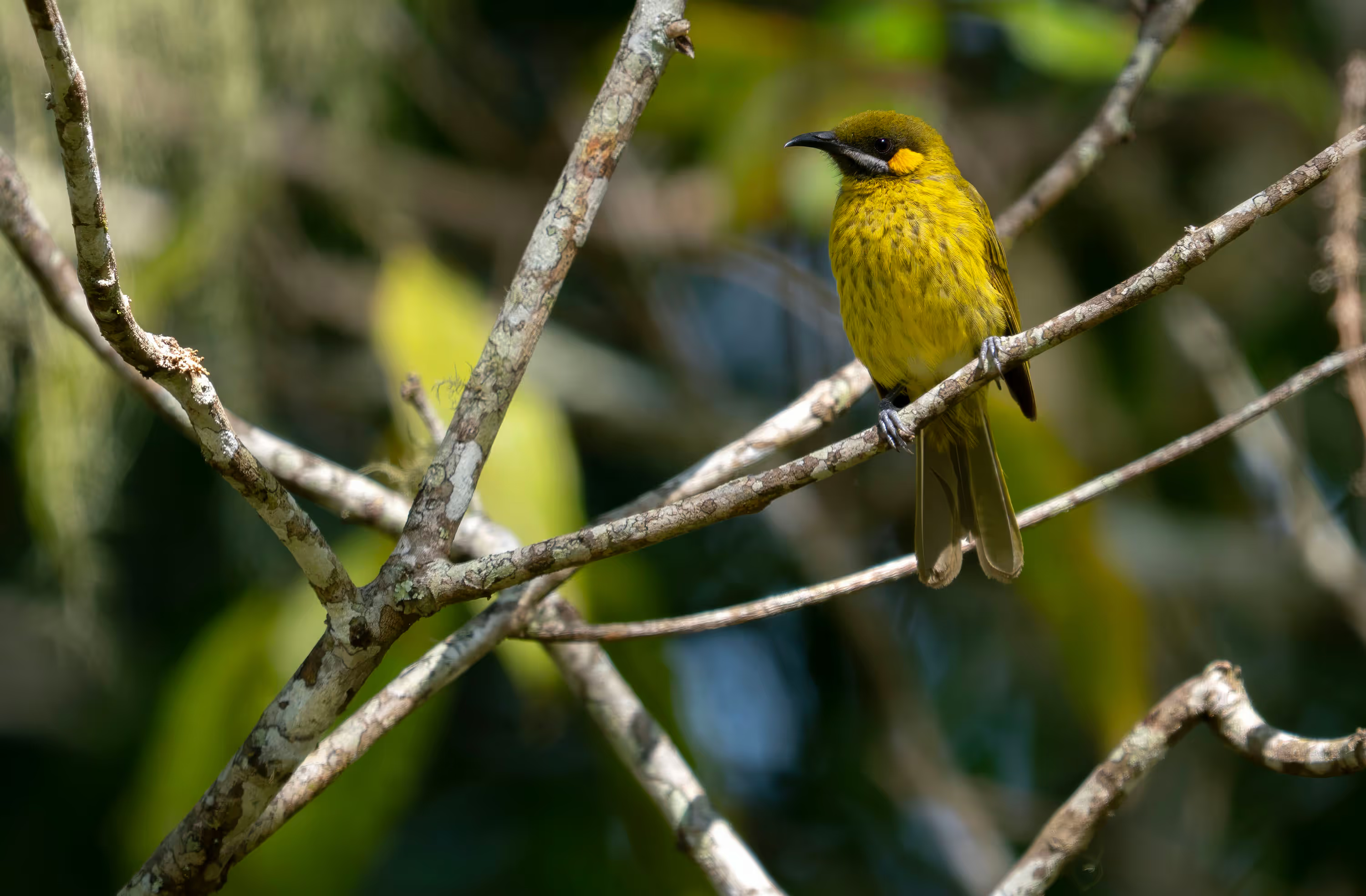
Two days will be spent in the highlands, split between Mount Mutis and Timau and the surrounding area in search of the regional endemic Timor Imperial Pigeon, a difficult and rare species restricted to montane regions on Timor (and Wetar). Wallacean Island-Thrush, Metallic Pigeon, Timor Leaf Warbler, Timor Meliphaga, Timor Flowerpecker, Timor Oriole, Yellow-eared Honeyeaters and Olive-headed Lorikeet are all common, while rarer species include Jonquil Parrot, Black-backed Fruit Dove, Slaty Cuckoo Dove, Iris Lorikeet and Chestnut-backed Thrush. We will pay particular attention to the timorensis Pygmy Cupwing, with its markedly different song. On top of that, in 2012 on our tour we made the exciting discovery of an undescribed species of parrotfinch - 'Mount Mutis Parrotfinch' that is still only known from Mount Mutis so we will put in plenty of time to find this enigma, with Tricoloured Parrotfinch also possible. Nights at Soe.
Day 8:
Today we revisit either Mount Mutis or Timau depending on what species we're still missing from the previous days before winding our way back down to Kupang, with afternoon birding in the lowlands close to Kupang where a wooded area close to Kupang still holds a remarkable number of birds, home to Cinnamon-banded Kingfisher, Black-backed and Rose-crowned Fruit Doves,Red-backed Buttonquail, Orange-banded Thrush, Timor Figbird, Timor Thicketbird and Timor Friarbird.
The nearby shrimp ponds can hold Royal Spoonbill, Red-capped Plover and Sunda Teal, while the fields leading up to the ponds hold large numbers of munias, including small numbers of Five-coloured and Pale-headed along with the rare Timor Sparrow, migrant Black-faced Cuckooshrike and Black-faced Woodswallow. Night at Kupang.
Day 9:
Fast boat to the island of Rote. Despite its close proximity to Timor, Rote hosts several endemic taxa including four endemics - Rote Boobook, Rote Fantail and the recently described Rote Leaf Warbler and Rote Myzomela. In the forest we also search for a species that is becoming very difficult on Timor now, JonquilParrot, along with Pink-headed Imperial Pigeon. Several other near-Timor endemics occur here and are represented by endemic subspecies, Timor Stubtail, Timor Oriole, Timor Warbling-flycatcher, Pink-headed Imperial Pigeon, Timor Figbird, Slaty Cuckoo-Dove and Orange-banded Thrush being the most notable. As dusk approaches we hope to find Rote Boobook, and perhaps further views of Timor Nightjar. Night on Rote.
Day 10:
Full day on Rote for species mentioned on day 9, visiting the north coast in search of Rote Leaf Warbler, Rote Myzomela, Jonquil Parrot, Pink-headed Imperial Pigeon, Slaty Cuckoo Dove, Timor Figbird and Orange-banded Thrush. Night on Rote.
Day 11:
Morning birding once again on Rote before taking the fast ferry back across to Timor. Night at Kupang.
Day 12:
We take the short flight from Kupang to Ruteng, nestled in the highlands of west Flores, and spend the rest of the day birding in the area where a new suite of endemics await us, several being shared with Sumbawa, while Flores itself harbours six currently recognised island endemics. Possibilities today include Flores Warbling-flycatcher, Brown-capped Fantail, Flores Minivet, Flores Shortwing, Flores and Golden-rumped Flowerpeckers, Flores Leaf Warbler, Russet-capped Tesia and both Thick-billed and Eyebrowed Heleia, Tawny-breasted Parrotfinch, Scaly-crowned/Sunda Honeyeater, Black-backed Fruit Dove, Dark-backed ImperialPigeon, Parzudaki's/Ruddy Cuckoo-dove, and Leaf Lorikeet. Night at Ruteng.
Days 13-15:
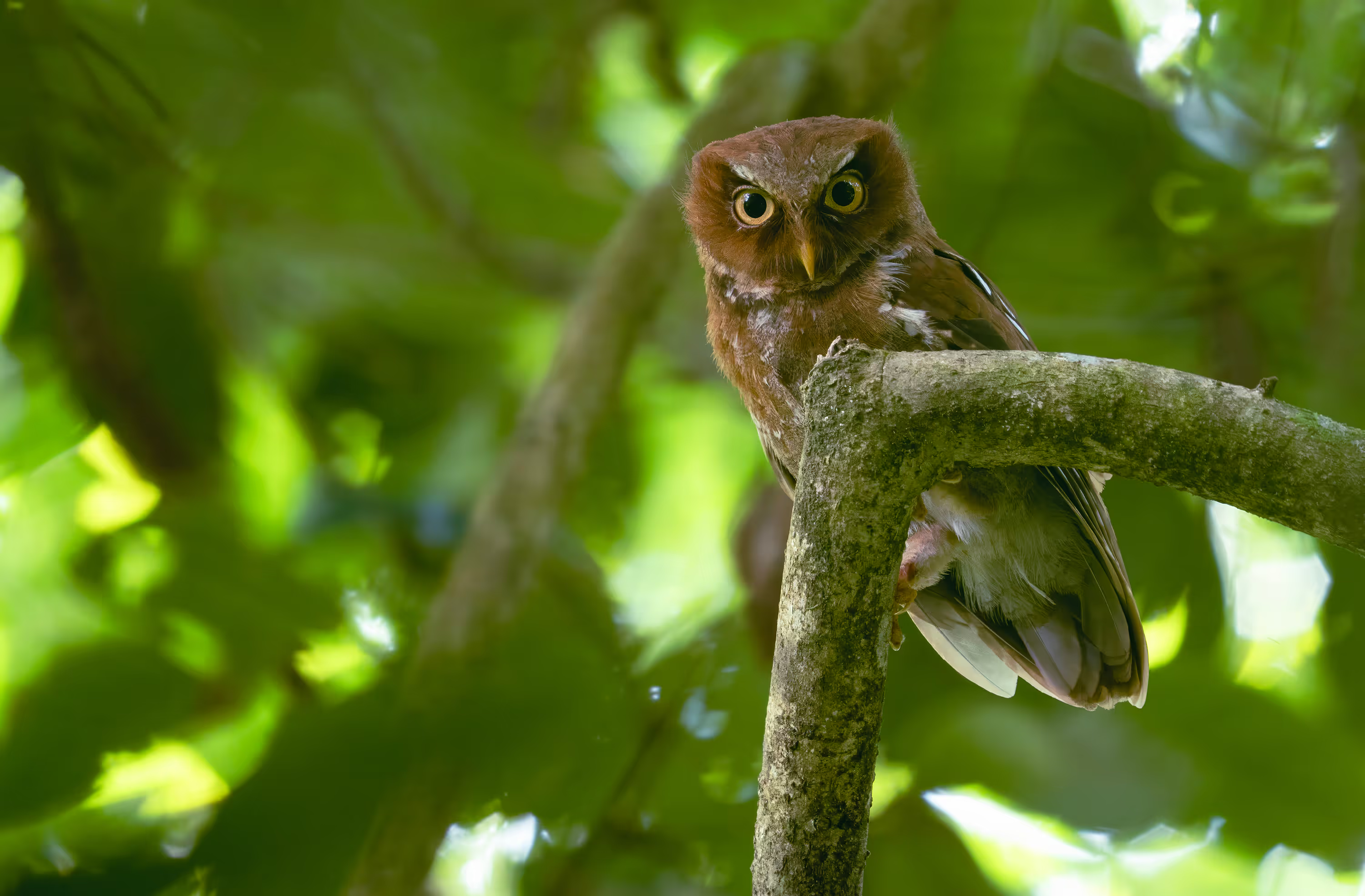
We will split our time mostly between sites near Ruteng in search of the previously mentioned species. While at night Wallace’s and Flores Scops Owl will be targets, the vocalisations of the latter were unknown until Birdtour Asia rediscovered the species here in 2005. Visiting mid-altitude forest near to Ruteng will provide us with the opportunity to search for two of the most difficult of near-Flores endemics; Flores Green Pigeon and Wallace's Hanging Parrot, with both species being frustratingly nomadic, their appearances are difficult to predict. Russet-capped Tesia, Rufous-chested Flycatcher, White-rumped Kingfisher, Ornate Pitta, Pale-shouldered Cicadabird, unicus Ashy-bellied White-eye (split in the field guide asFlores White-eye), Leaf Lorikeet, all three heleia, Bonelli's Eagle are also possible, and even the Critically Endangered Flores Hawk Eagle is possible. If we don’t find them near Ruteng then we’ll wind our way down to the coastal lowlands near Kisol to search for Flores Hawk Eagle, with others like Flores Crow, Flores Green Pigeon, Mees’s Nightjar and even Chestnut-capped Thrush notable in that area. Nights at Ruteng.
Day 16:
After final birding near Ruteng as required we head west to Mbeliling, searching for Leaf Lorikeet on the way. This area is home to the enigmatic Flores Monarch which is restricted to sub-montane forest in West Flores, and further opportunities for many of the other Flores endemic, including Flores Hawk Eagle, Chestnut-capped Thrush, Flores Crow, Russet-capped Tesia, Rufous-chested Flycatcher, Ornate Pitta and even an outside chance of the Critically Endangered Tenggara Hill Myna. At night both Wallace’s and Moluccan Scops Owls are present. Night at Mbeliling.
Day 17:
Another day in the Mbeliling area before making our way down to the coast to Labuanbajo. Night at Labuanbajo.
Day 18:
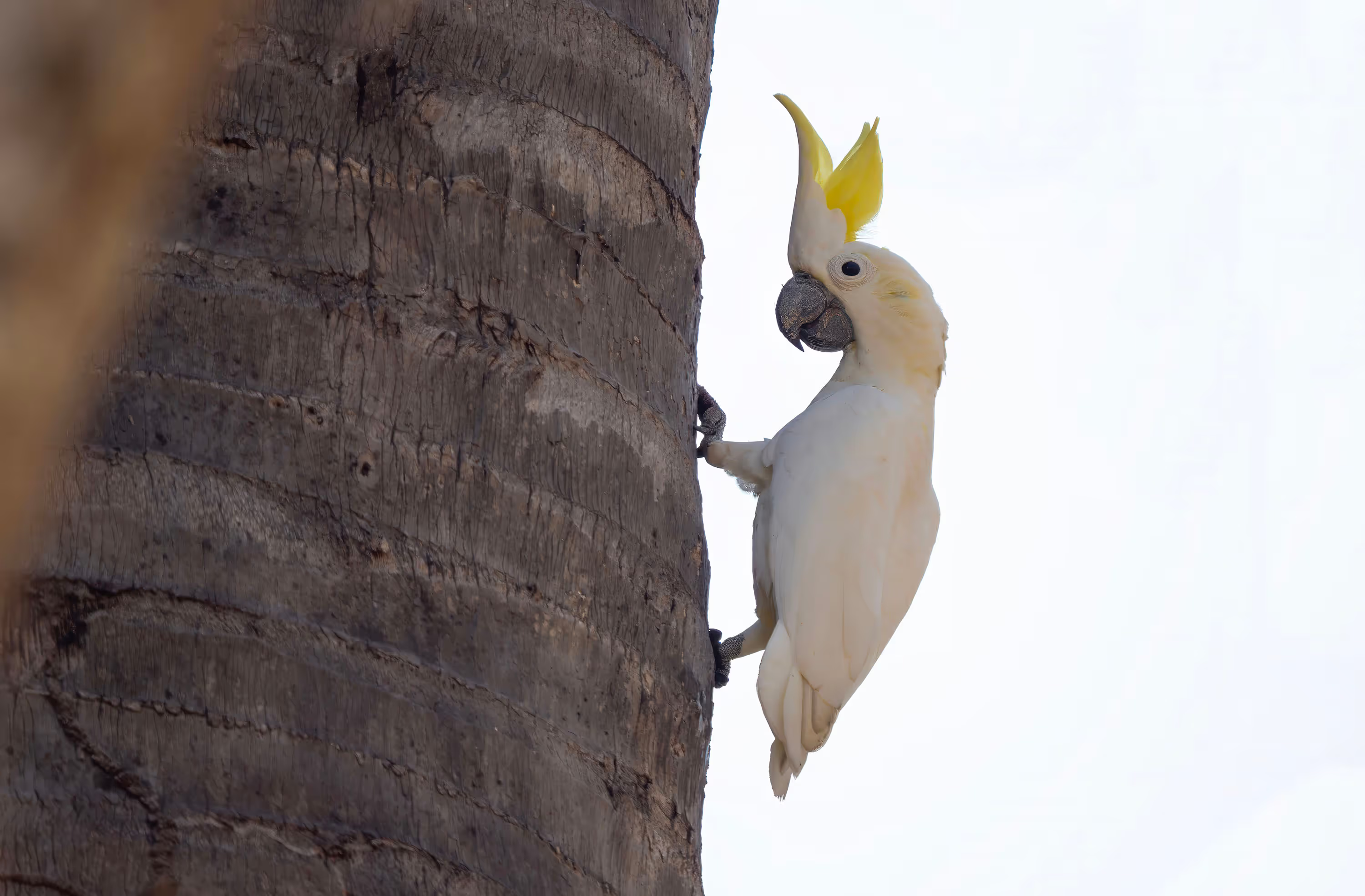
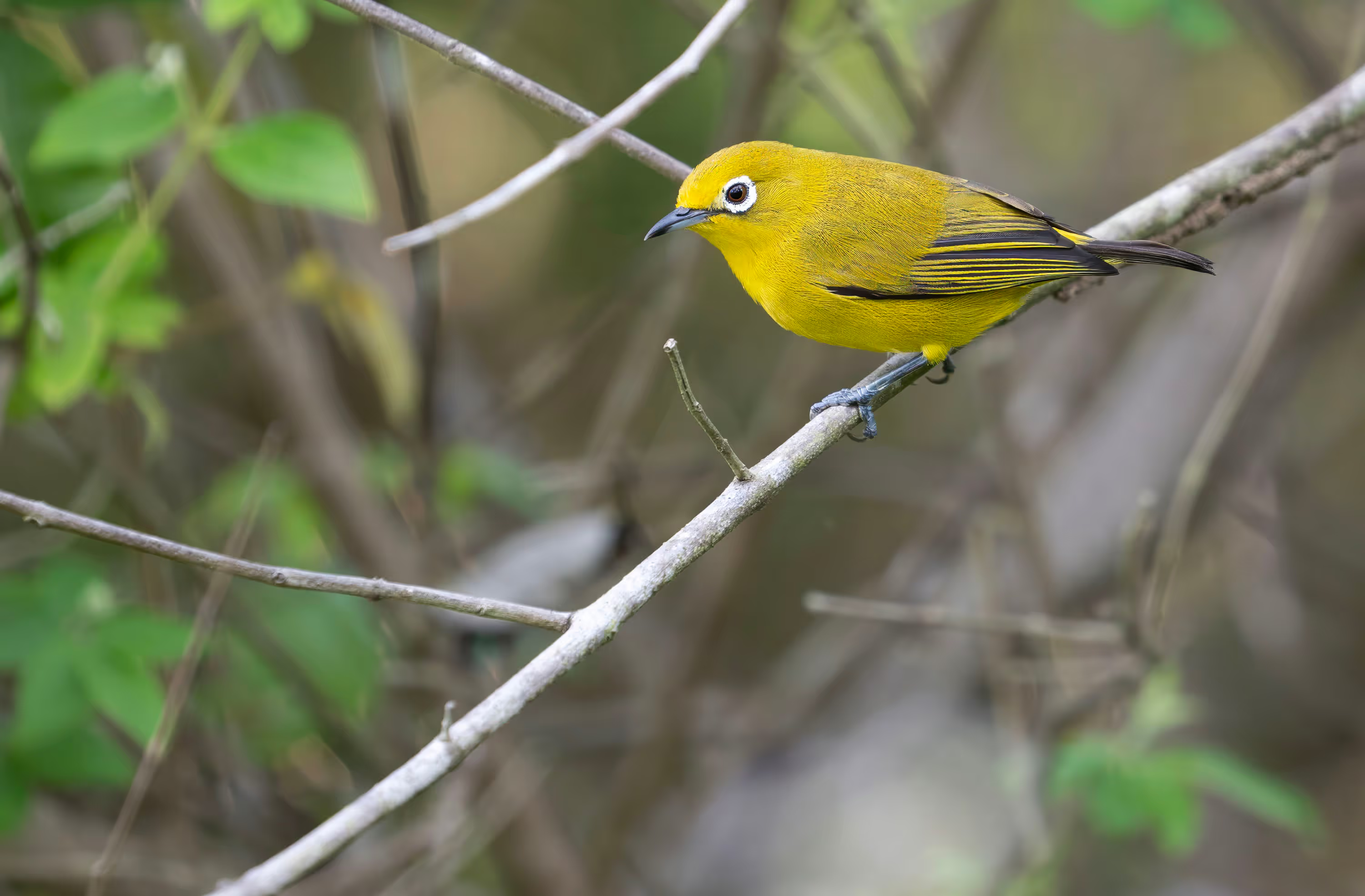
We take a speedboat to Komodo Island for the morning, home of the legendary Komodo Dragons. Obviously, this beast which can reach over three metres in length, is high on the agenda, as is Yellow-crested Cockatoo, a Critically Endangered species at one of its last remaining hide-outs. Birds are noticeably confiding on the island, especially the Orange-footed Scrubfowl and Green Junglefowl. Other species include Wallace's Heleia, Lemon-bellied White-eye, Barred Dove, Tenggara Whistler, ‘Tenggara Black-naped Oriole’, Wallacean Cuckooshrike, Sunda Collared Dove and Great-billed Heron. Returning for lunch, we have the afternoon to go birding in the local vicinity – what we target depends how our previous days have gone. We can either return to the forest, or bird the nearby fish ponds and paddyfields. Night at Labuanbajo.
Day 19:
International or domestic departures from Labuan Bajo (Komodo) International Airport.
Deposit: £ 600 or $ 800
Single room supplement:
£ TBC or $ 580
Maximum group size: 8
Tour cost includes: all accommodation, main meals, internal flights, overland transport, entrance fees, drinking water, tips to local drivers and guides, and guide fees.
Tour cost excludes: international flights, visa, travel insurance, drinks, tips to tour guides, and other items of a personal nature.
Accommodation: comfortable twin, and single, rooms with private facilities with the exception of Sumba where facilities are shared.
Walking difficulty: easy to moderate throughout.
Maximum elevation on the tour is 1,900m.
Expected number of species: 210 - 250 species
Number of endemics and range-restricted species: Between 70-80 Lesser Sunda endemics are possible, with at least another 30 Indonesian Archipelago endemics.
Our latest tour reports from the region
Photos of species from the country, and during the tour







.avif)




.avif)

.avif)

.avif)


.avif)

.avif)
.avif)
