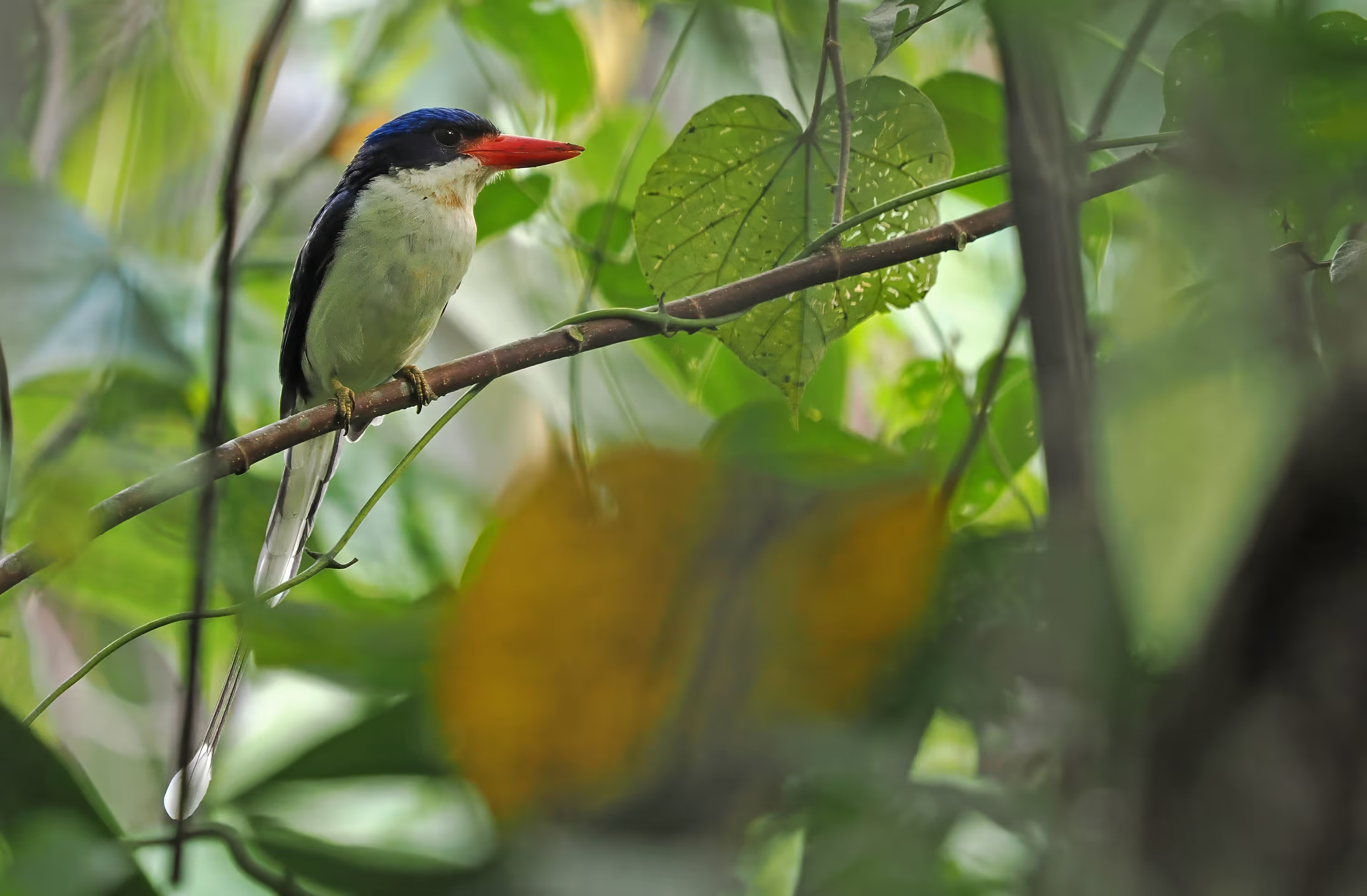
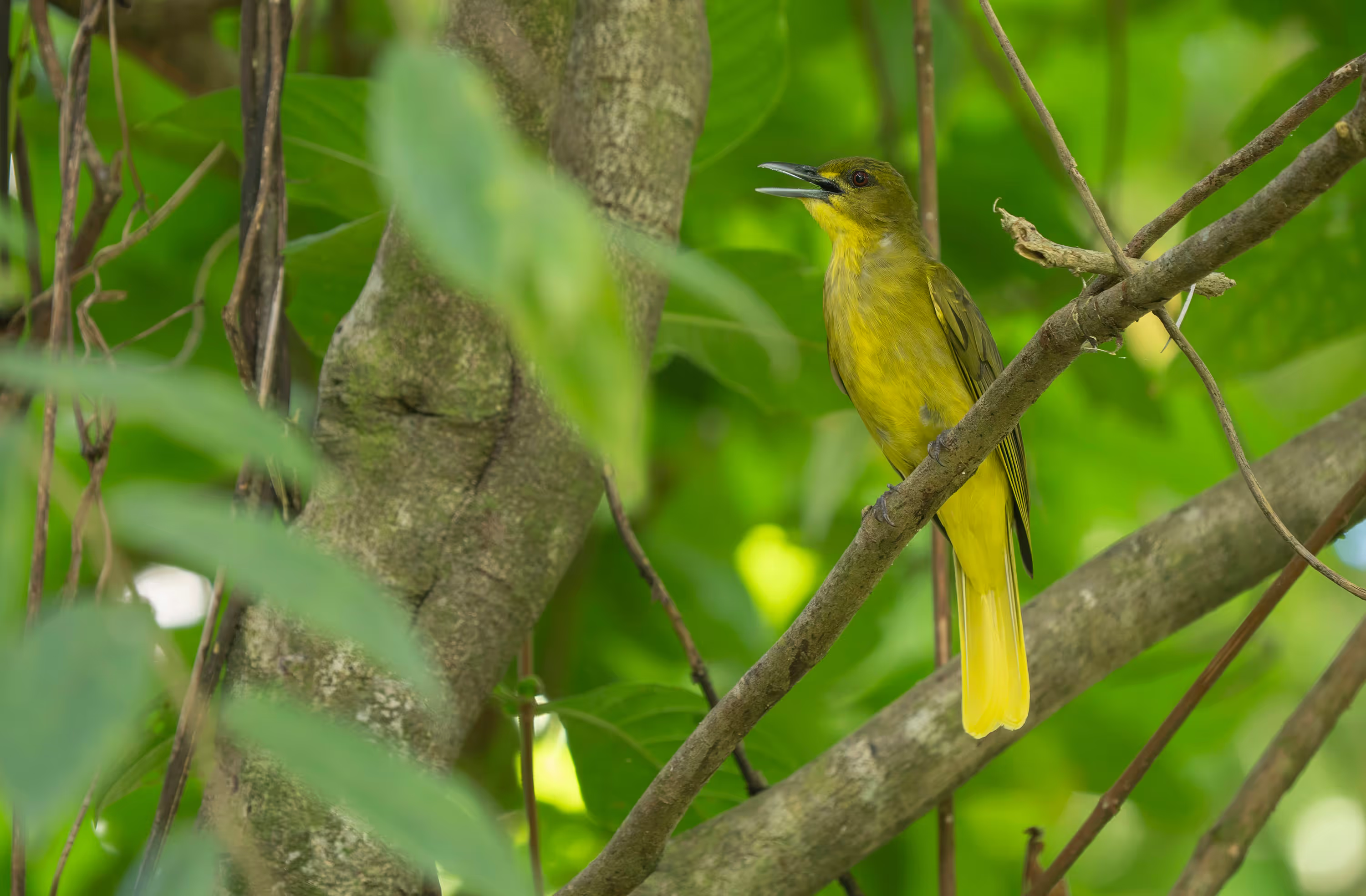
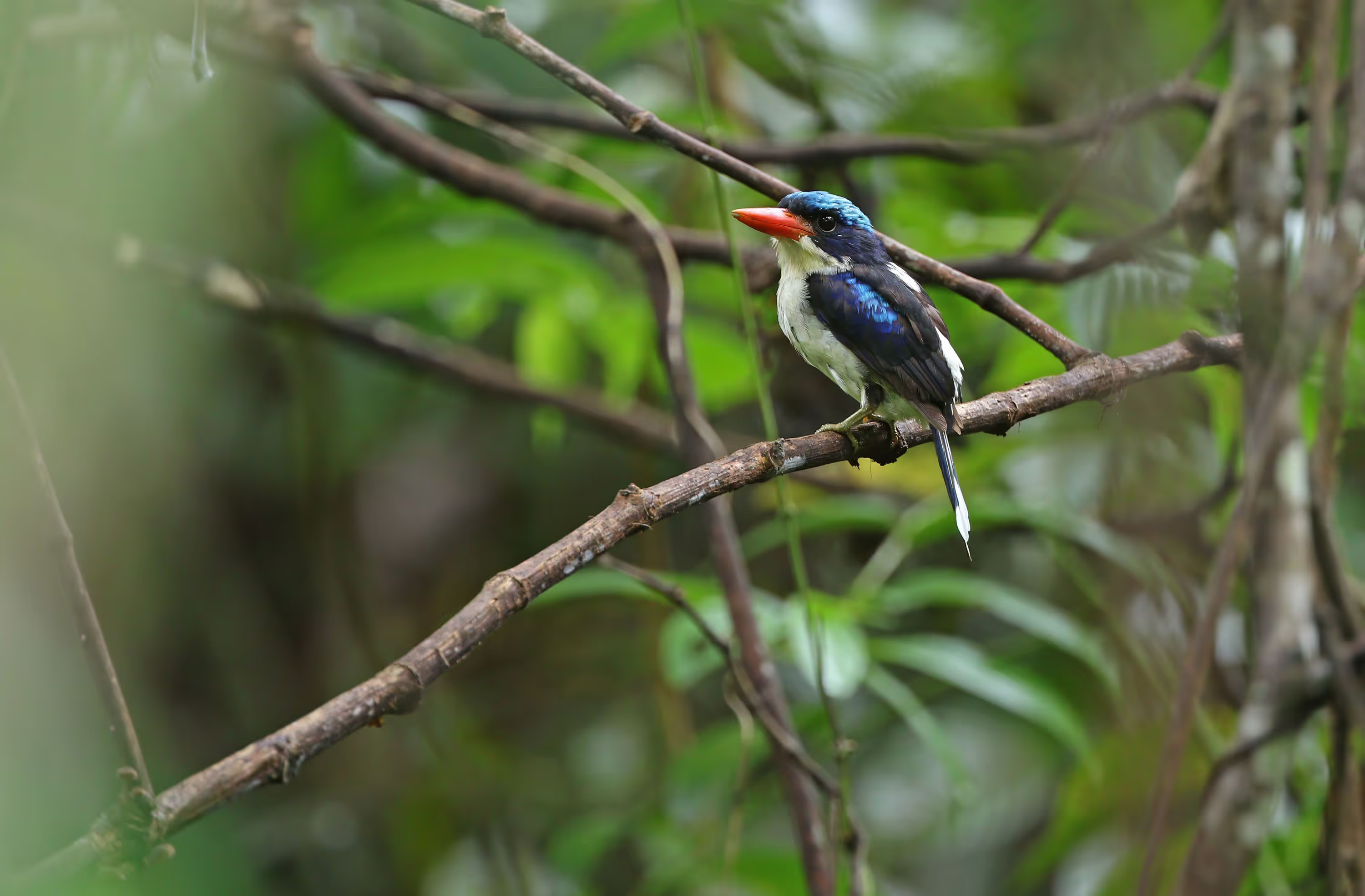
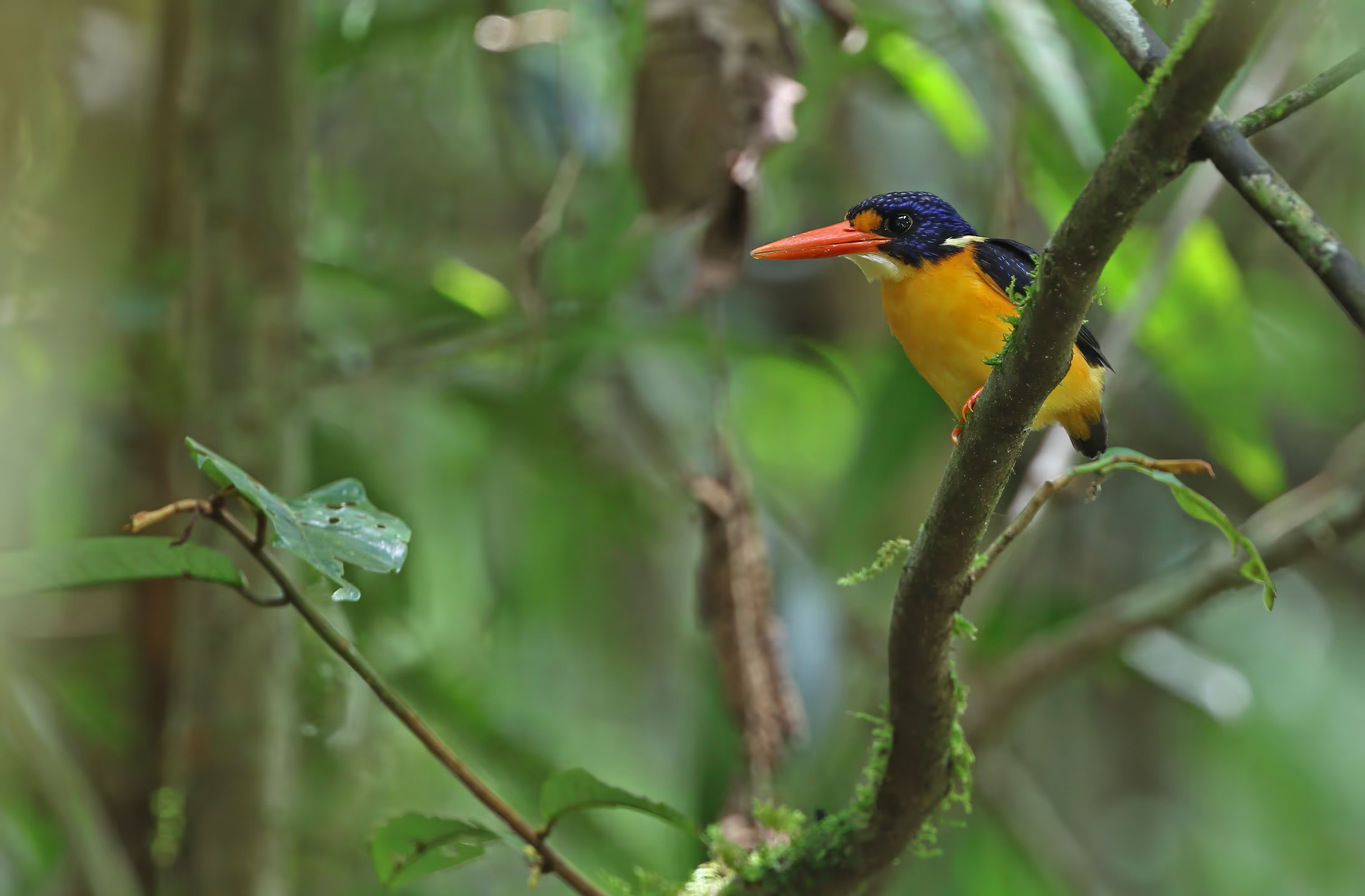
Wallacea is the fascinating zone of transition between Oriental and Australasian faunal zones in eastern Indonesia, named after the famous explorer Sir Alfred Wallace. While areas such as the Lesser Sundas and Sulawesi are frequently visited, much of the Moluccas or Spice Islands have rarely attracted birders and it is these we will explore in search of some of the lest-seen endemics in Indonesia. We concentrate on five major island groups; Obi, Morotai, Seram, Buru and the Kai islands, with site trips to smaller islands including Boano and Bacan.An optional extension to Tanimbar makes this the most comprehensive tour to the Moluccas available.
Seram
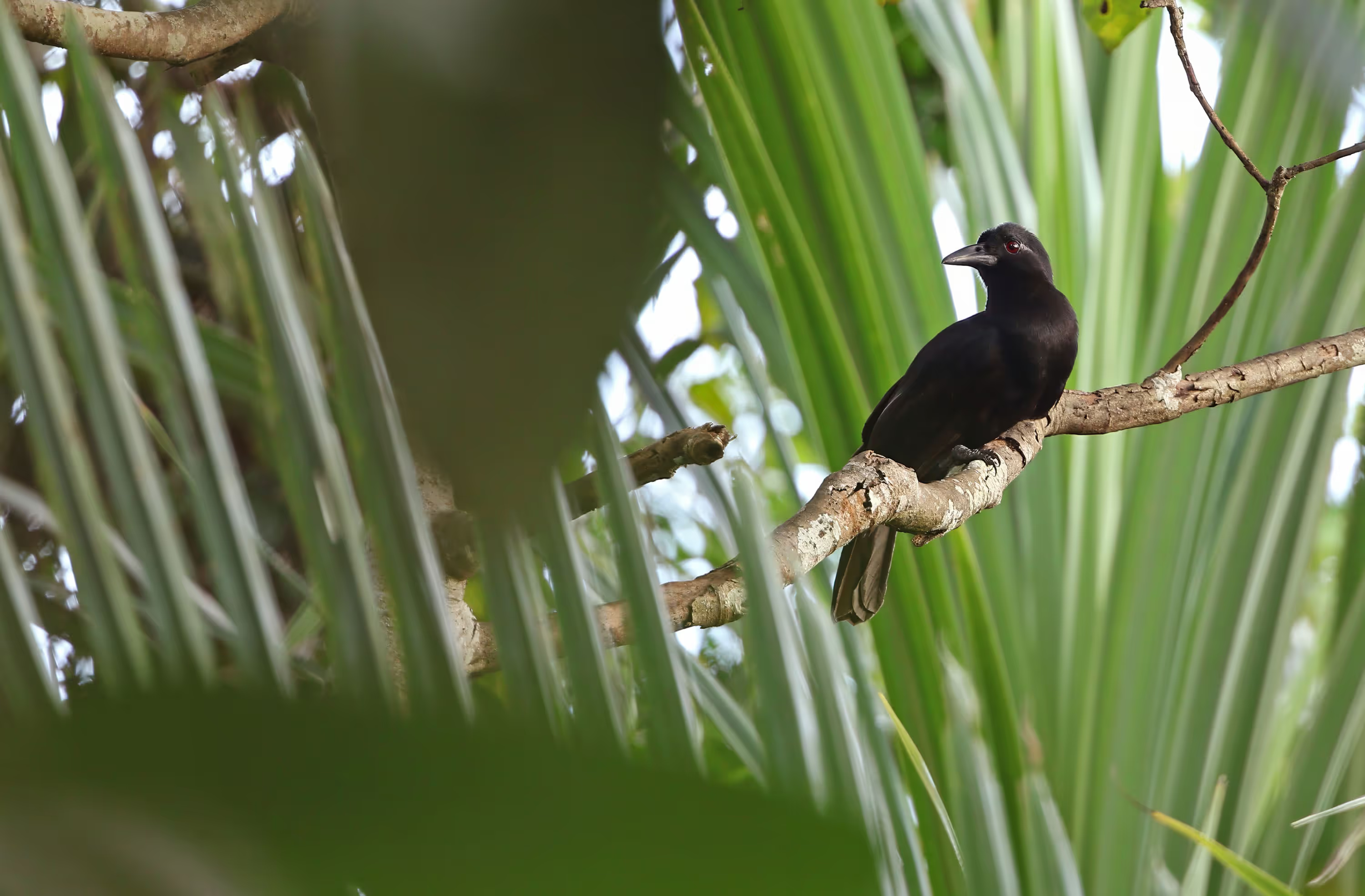
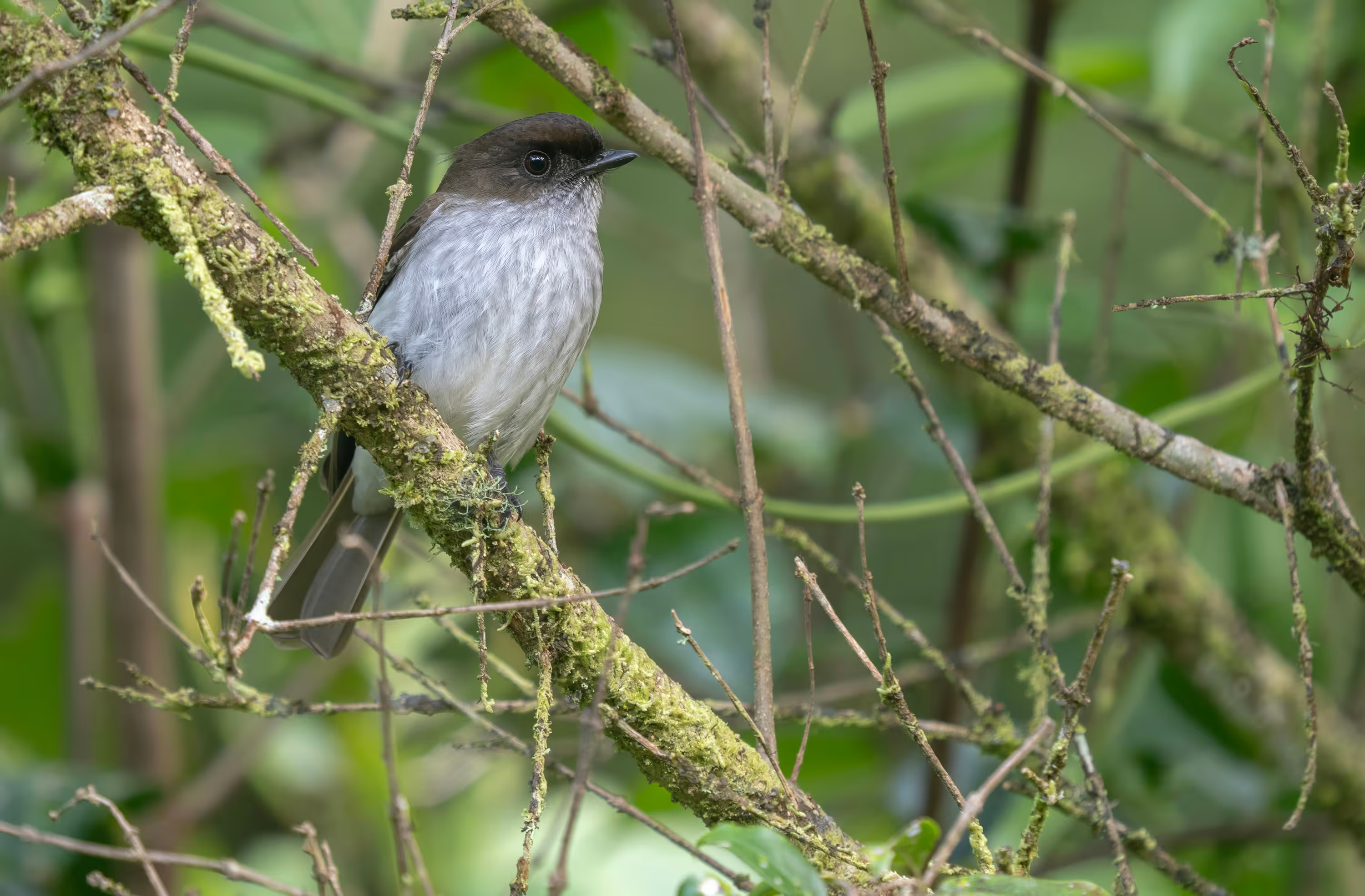
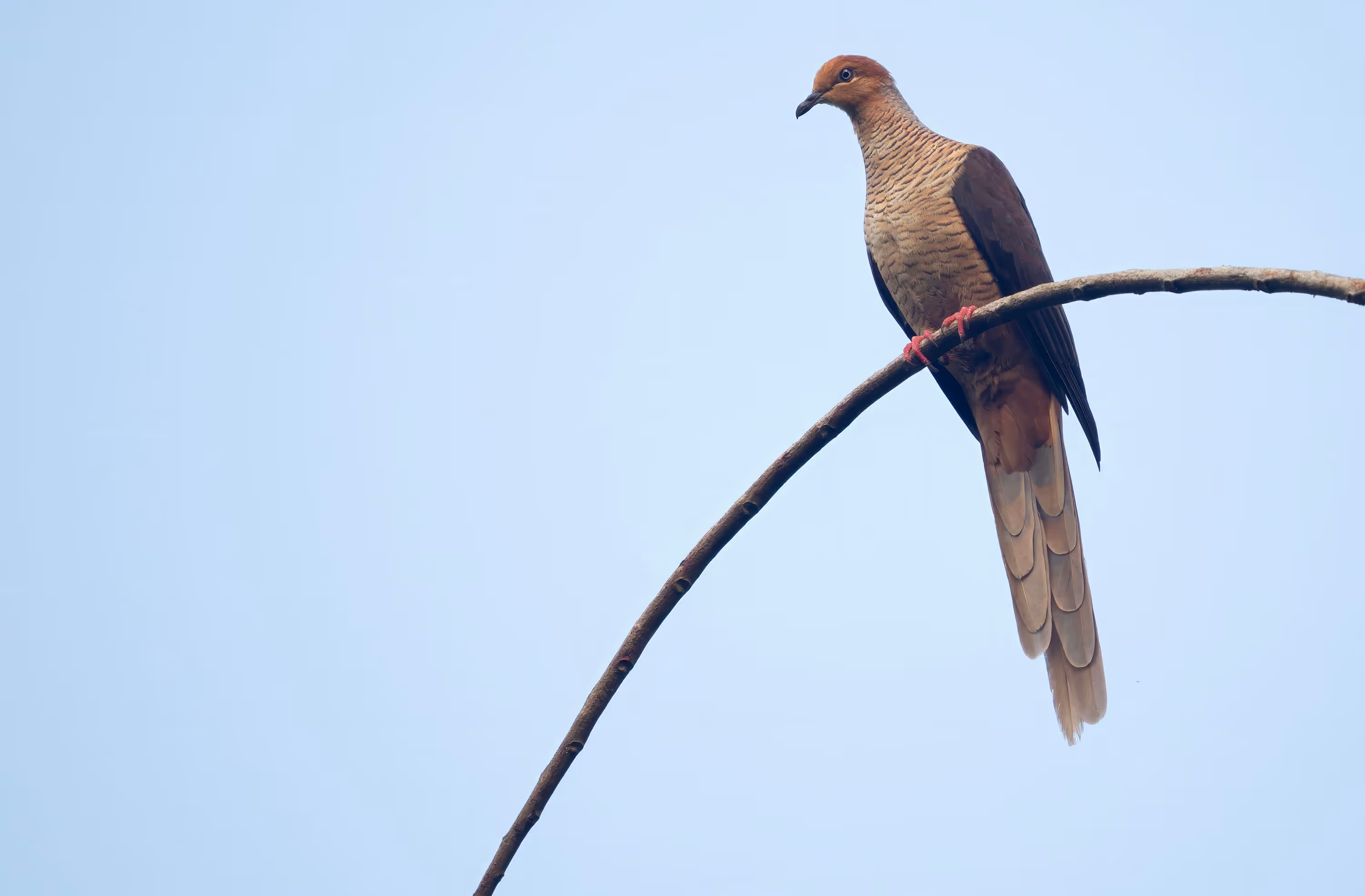
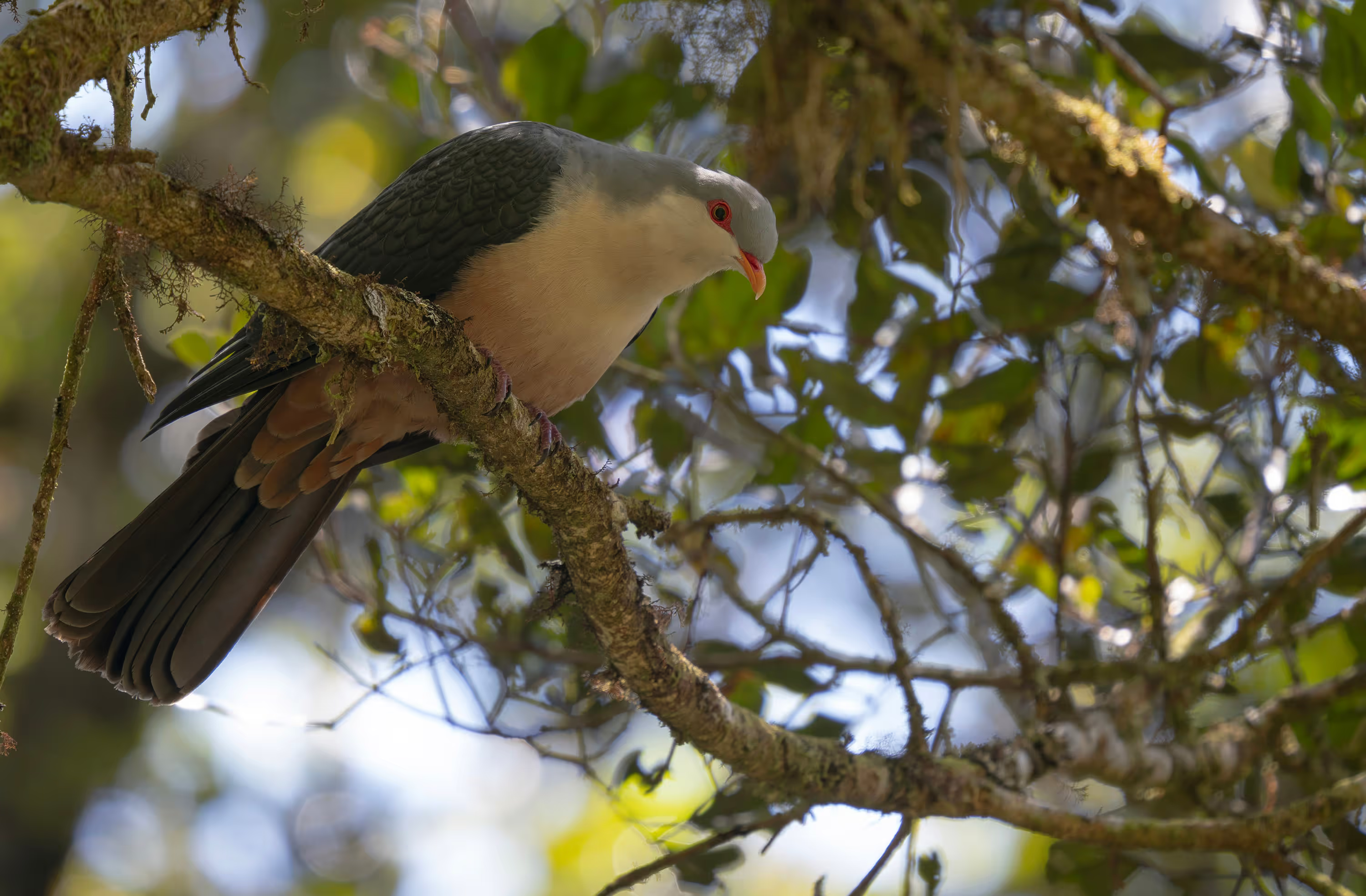
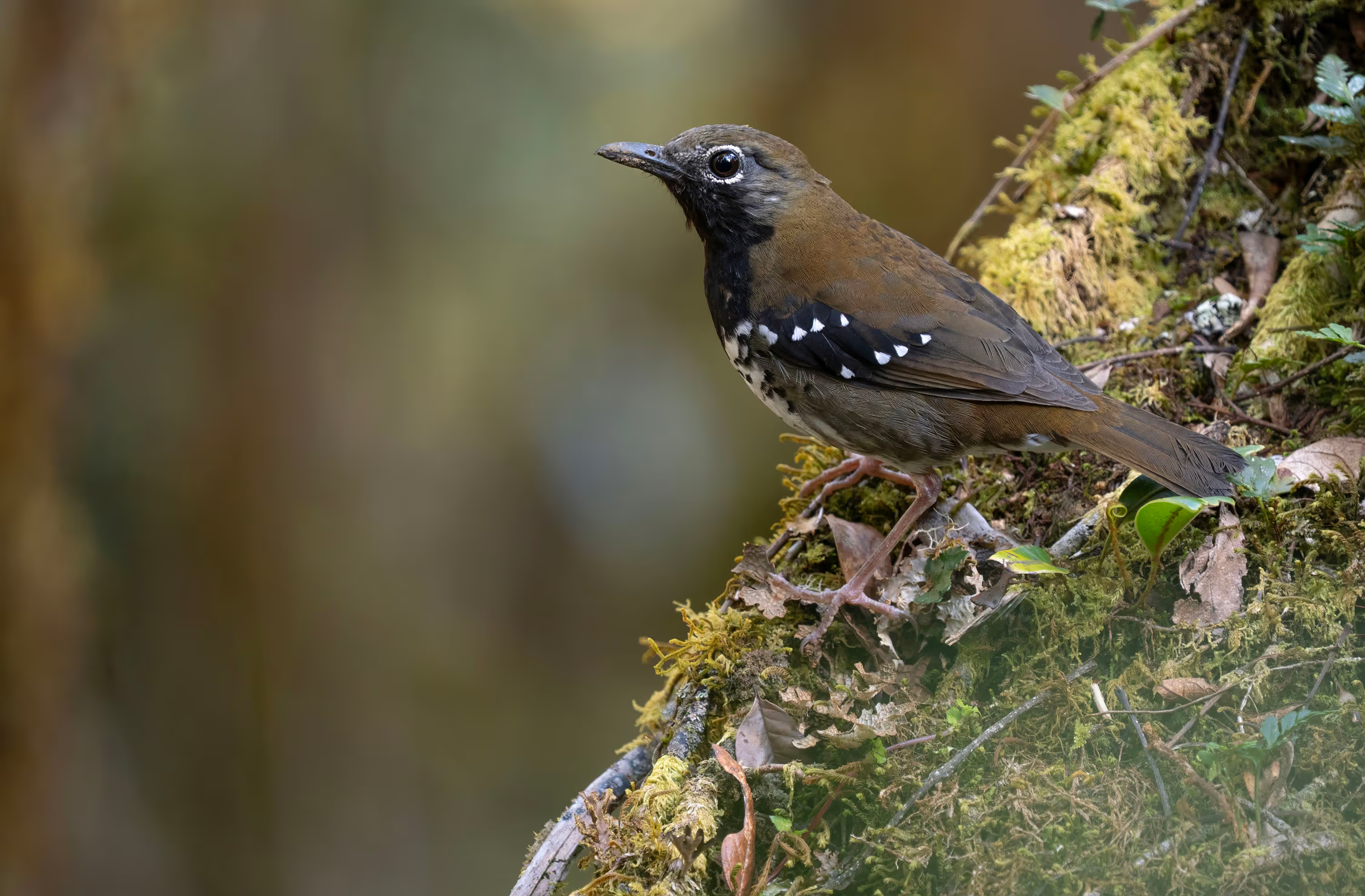
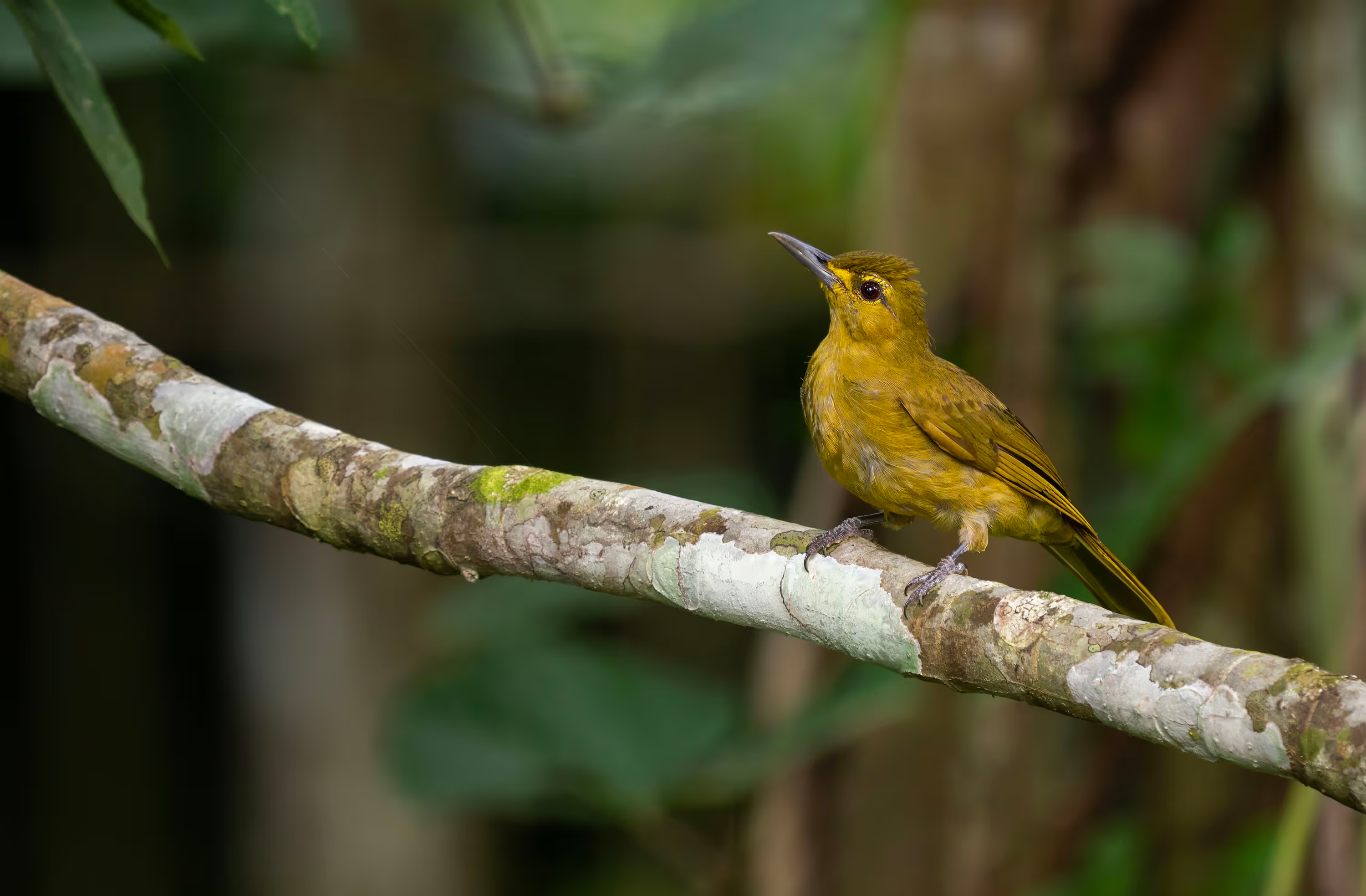
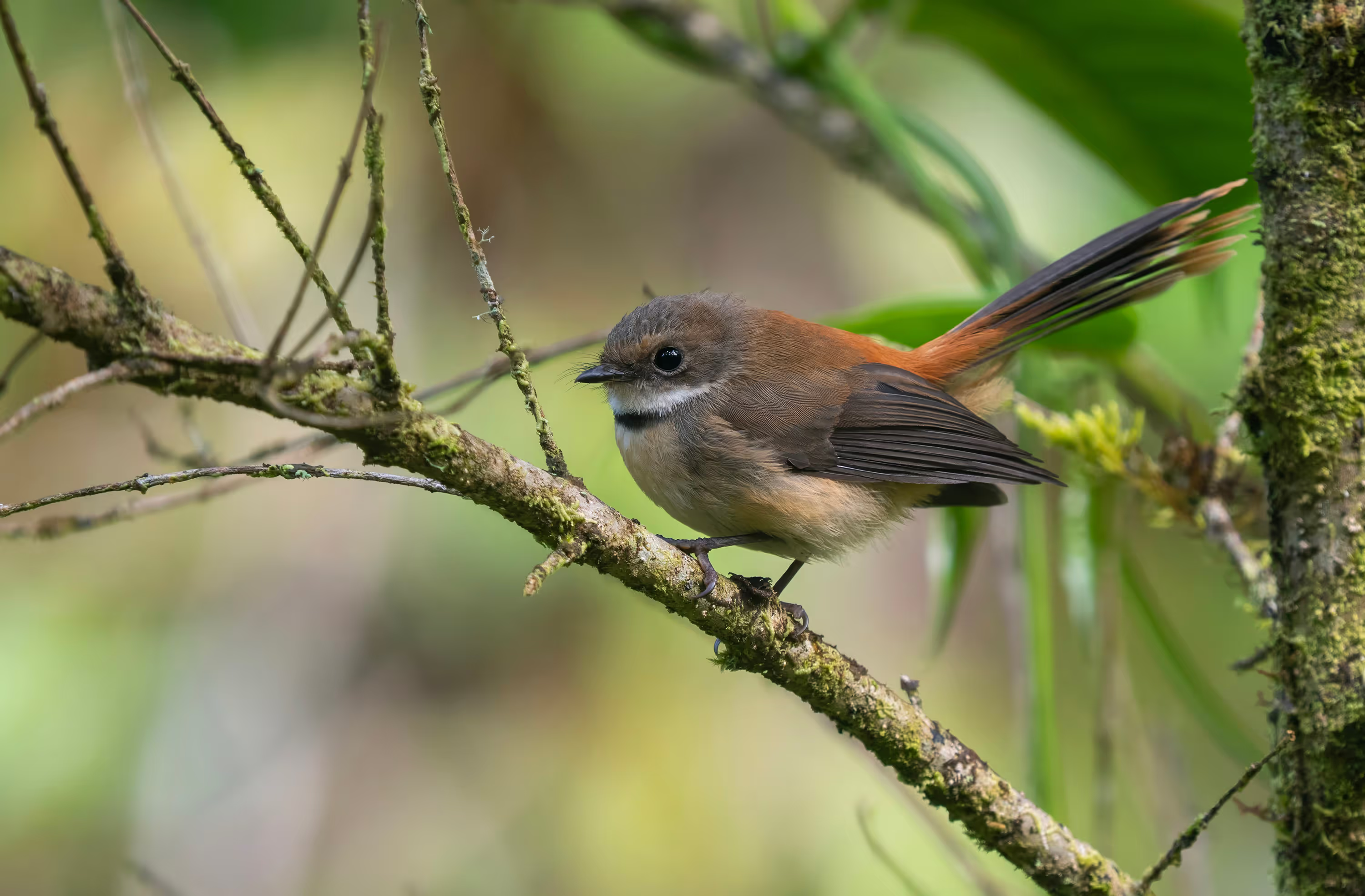
The long island of Seram still supports vast forests, particularly along its mountainous spine within the huge Manusela National Park. It is here that we will spend much of our time, since the vast majority of the islands endemics can now be found from a road which cuts through the park without the need for expedition-style treks into the mountains as used to be the case! Prime target here is the delightful pink-hued Salmon-crested Cockatoo but there are many others to find including Streaky-breasted Fantail, Grey-hooded and Rufescent Heleia, Seram Honeyeater, Drab Myzomela, 'Seram Myzomela' (a proposed carve-up of Wakolo in the regional field guide), Seram Oriole, Seram Friarbird, Violet Crow, Seram Golden Bulbul, Seram Imperial Pigeon, Seram Mountain Pigeon, and with a great deal of luck, the rare Purple-naped Lory or even Blue-eared Lory and Seram Grasshopper-Warbler. Regional endemics include Cinnamon-chested Flycatcher, Pale Cicadabird, Claret-breasted Fruit Dove, South Moluccan Pitta, Amboyna Paradise-Kingfisher, Moluccan Eclectus and Red Lory.
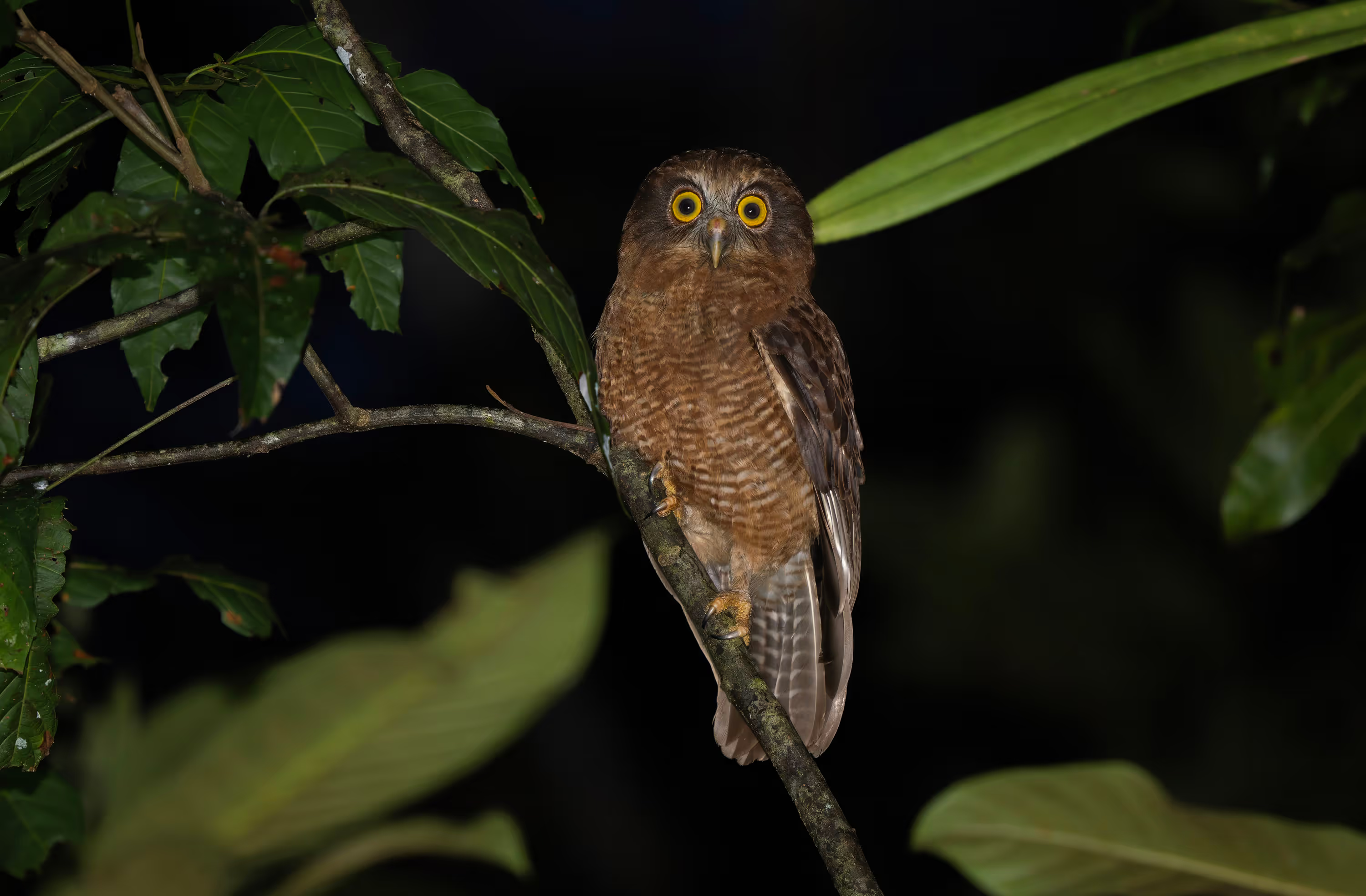
Overhead we might find soaring Gurney's or Pygmy Eagles or catch sight of a Rufous-necked Sparrowhawk passing by, meanwhile both the stunning Lazuli Kingfisher and wacky Long-crested Myna prefer to survey their areas from high, exposed branches. Night-time explorations should locate Seram Boobook, and possibly Australasian Masked Owl and Moluccan Scops Owl.
Boano
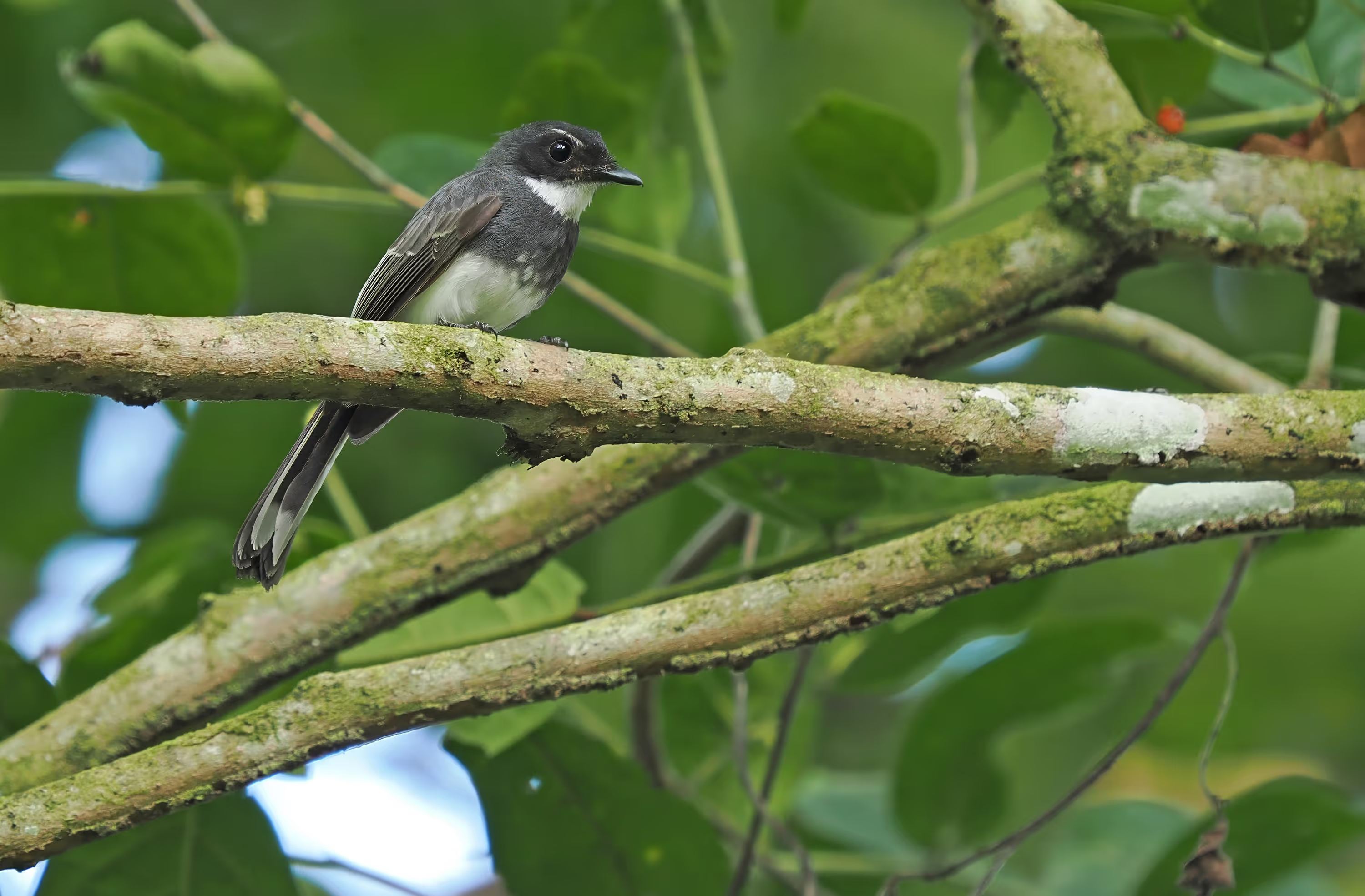
As an exciting side trip we were the first bird tour company to visit here for the Critically Endangered Boano Monarch, endemic to the small island of Boano adjacent to Seram which we refound here in 2011, more than 17 years since the last sighting. Also on the island is an endemic race of Amboyna Paradise-Kingfisher and 'Seram Fantail' (a field guide split from Northern).
Buru
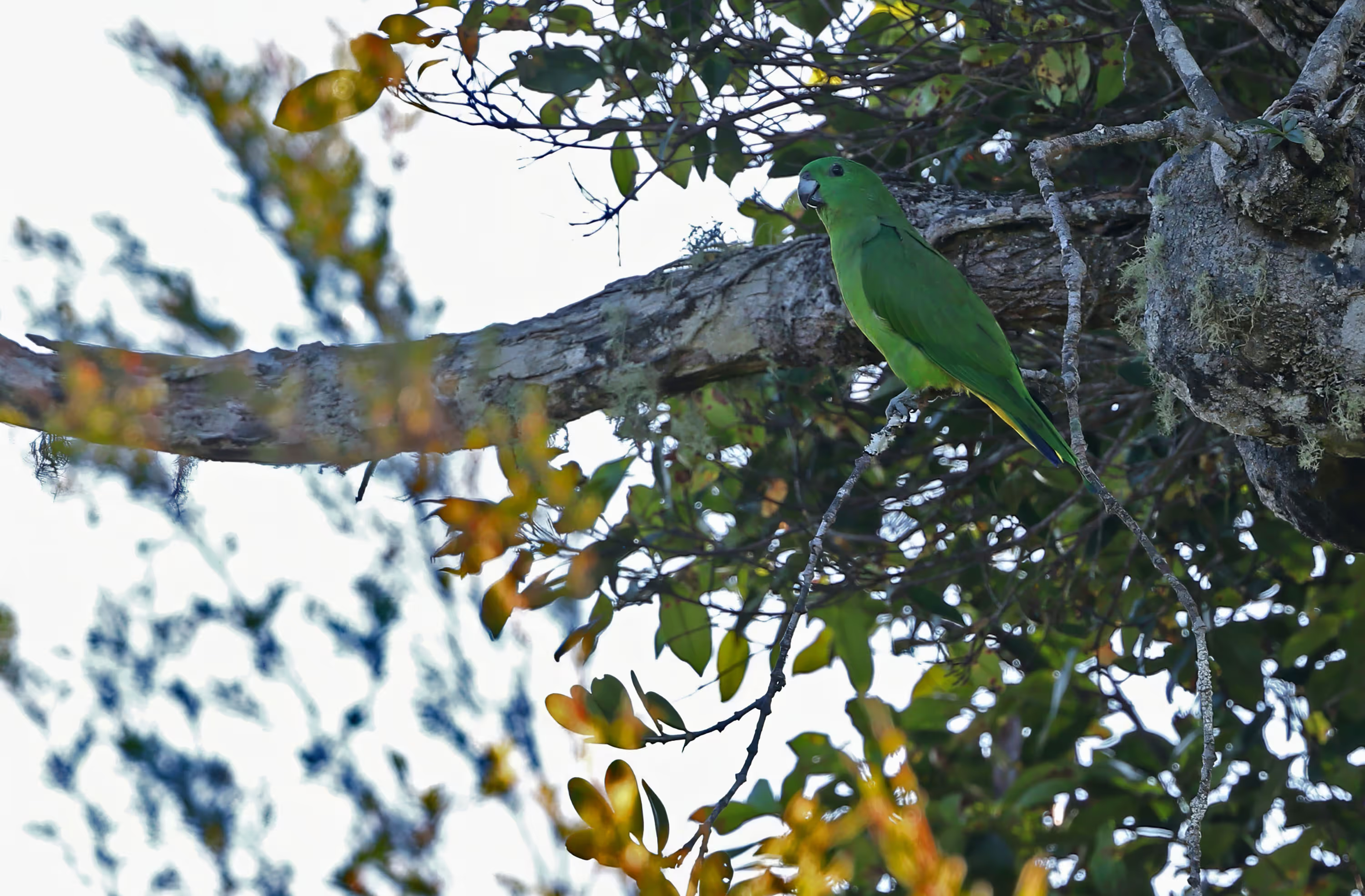
This little-visited island hosts more than 20 endemics including highlights such as Buru Racket-tail, Tawny-backed Fantail, Buru Warbling-flycatcher, Buru Golden Bulbul, Buru Cuckooshrike, Buru Fantail (field guide split from Northern), Buru Friarbird, Buru Oriole, Buru Monarch and Buru Green Pigeon among others, and by driving high into the mountains we will hope to find some of the islands rarities like Buru Thrush, Buru Honeyeater, Buru Myzomela (field guide split from Wakolo), Buru Leaf Warbler (field guide split from Island), Buru Grasshopper-Warbler, Buru Mountain Pigeon and even a very slim chance of three of the most little-known species in all of Indonesia - Black-lored Parrot, Buru Lorikeet and Madanga Pipit, all of which we've seen in the past here. The excitement again continues after dark with Australasian Masked Owl and Buru Boobook, the latter we sound recorded for the first time back in 2012 and found it to be highly distinct from its Seram counterpart.
Kai Kecil and Kai Besar
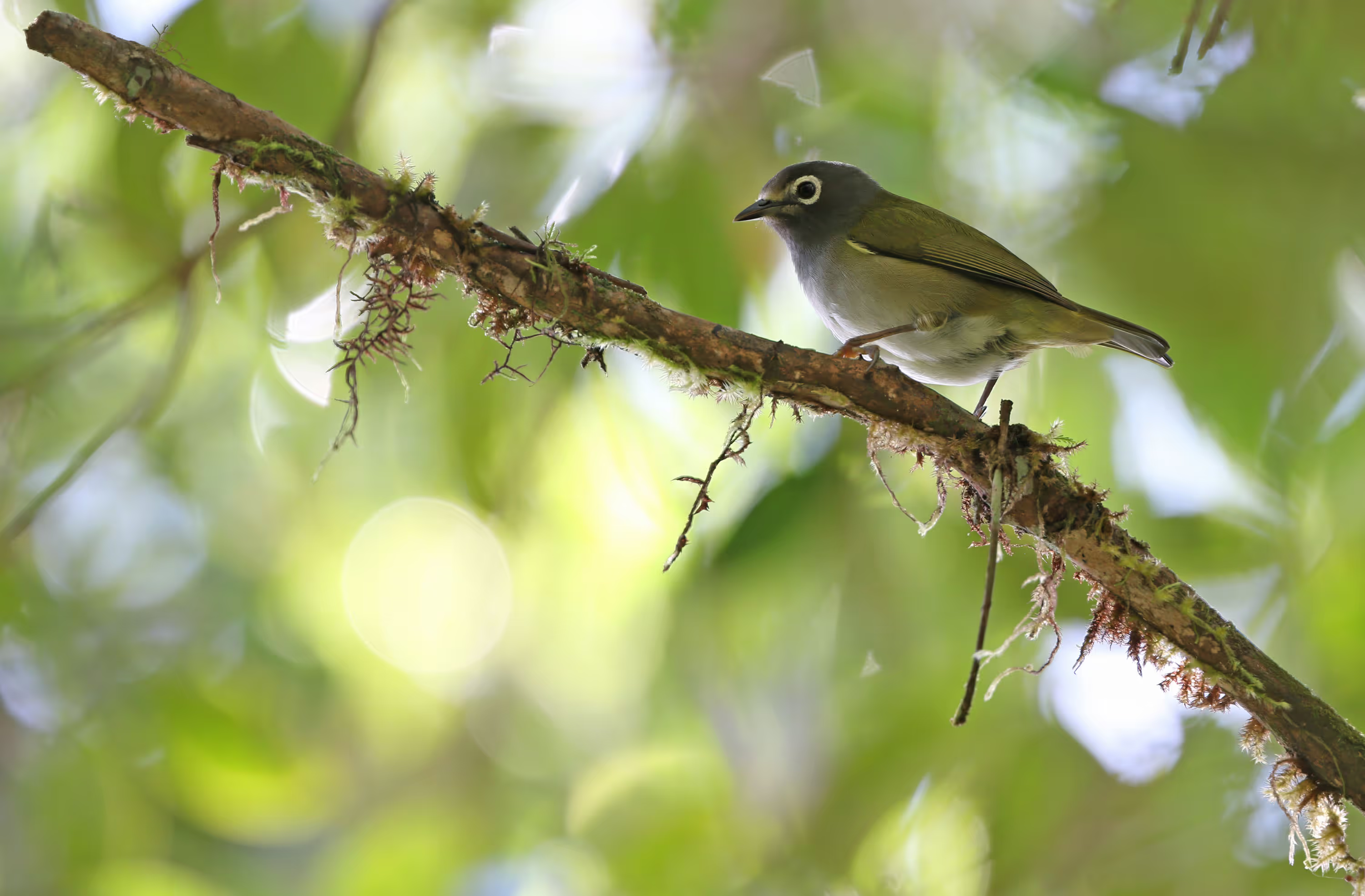
The islands of Kai Kecil and Kai Besar lying far to the southeast of Seram, form the major part of the Kai archipelago. Most of our birding will be on Kai Kecil where most of the endemics can be found in the remaining scraps of forest; Kai Monarch and Kai Kecil and Kai Besar White-eye are the three currently recognised endemics. A side trip to the hillier Kai Besar is required to find Kai Besar White-eye, plus Kai Leaf Warbler which like the Buru and Seram Leaf Warblers still languishes within Island Leaf Warbler despite their very distinctive appearance and songs. Near endemics include Pied Bronze Cuckoo and Pink-breasted Flowerpecker (both shared with Tanimbar Islands), while Kai Cicadabird and Wallace's Fruit Dove are almost as range restricted. The Pheasant Coucal here was recognised as an endemic, 'Kai Coucal' but was recently lumped.
Ambon
The gateway to the Moluccas, this relatively small island is the regional hub and we will be transiting through the island each time we take a boat or flight to the more exciting, endemic-filled islands. What extra time we have on this island will be spent looking for the islands two endemics, Ambon White-eye and Ambon Golden Bulbul. Other possibilities here include a few endemics shared with the surrounding islands, notably Ashy Flowerpecker, 'Seram Fantail' and Amboyna Paradise-Kingfisher.
Obi
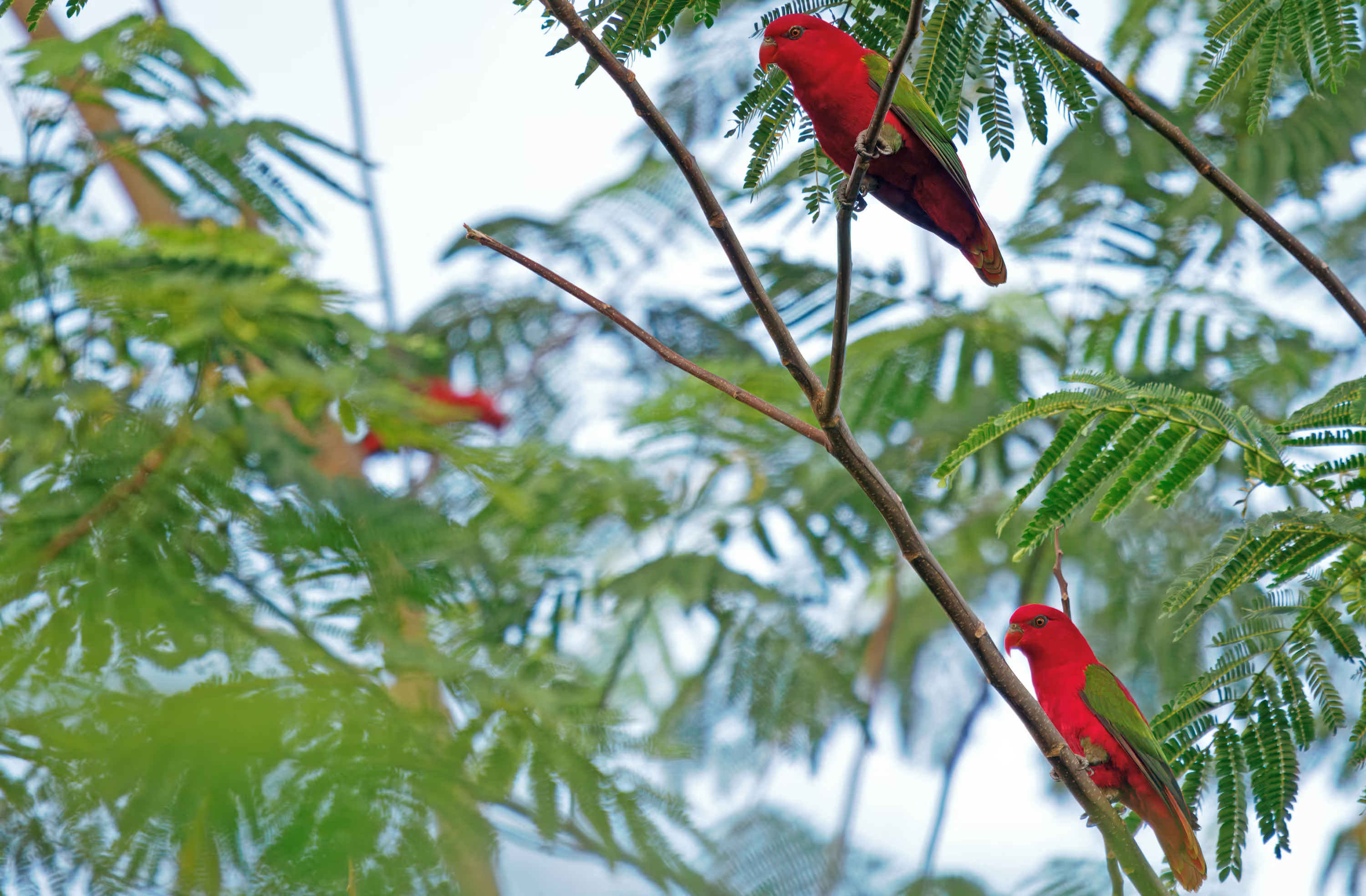
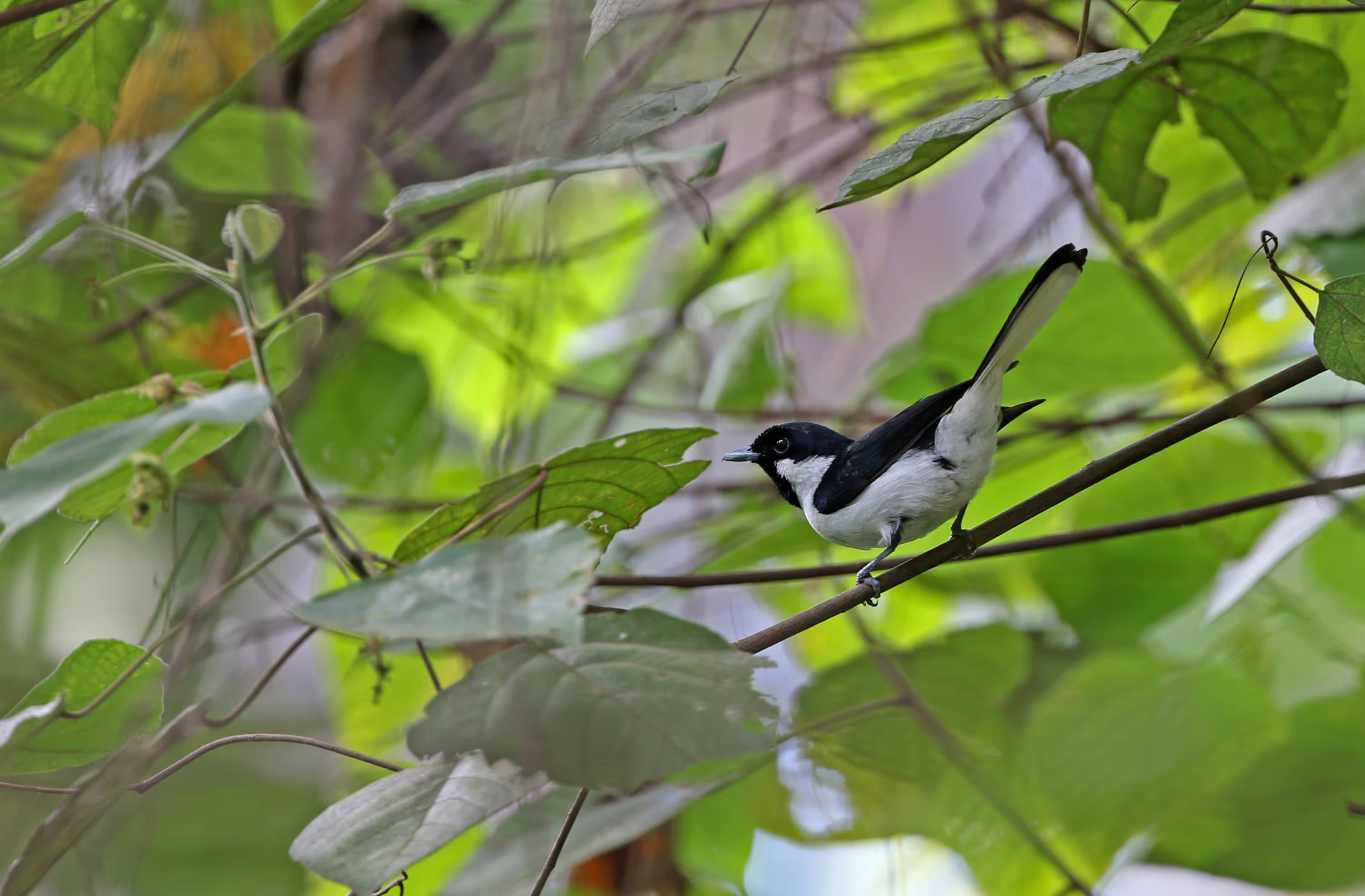
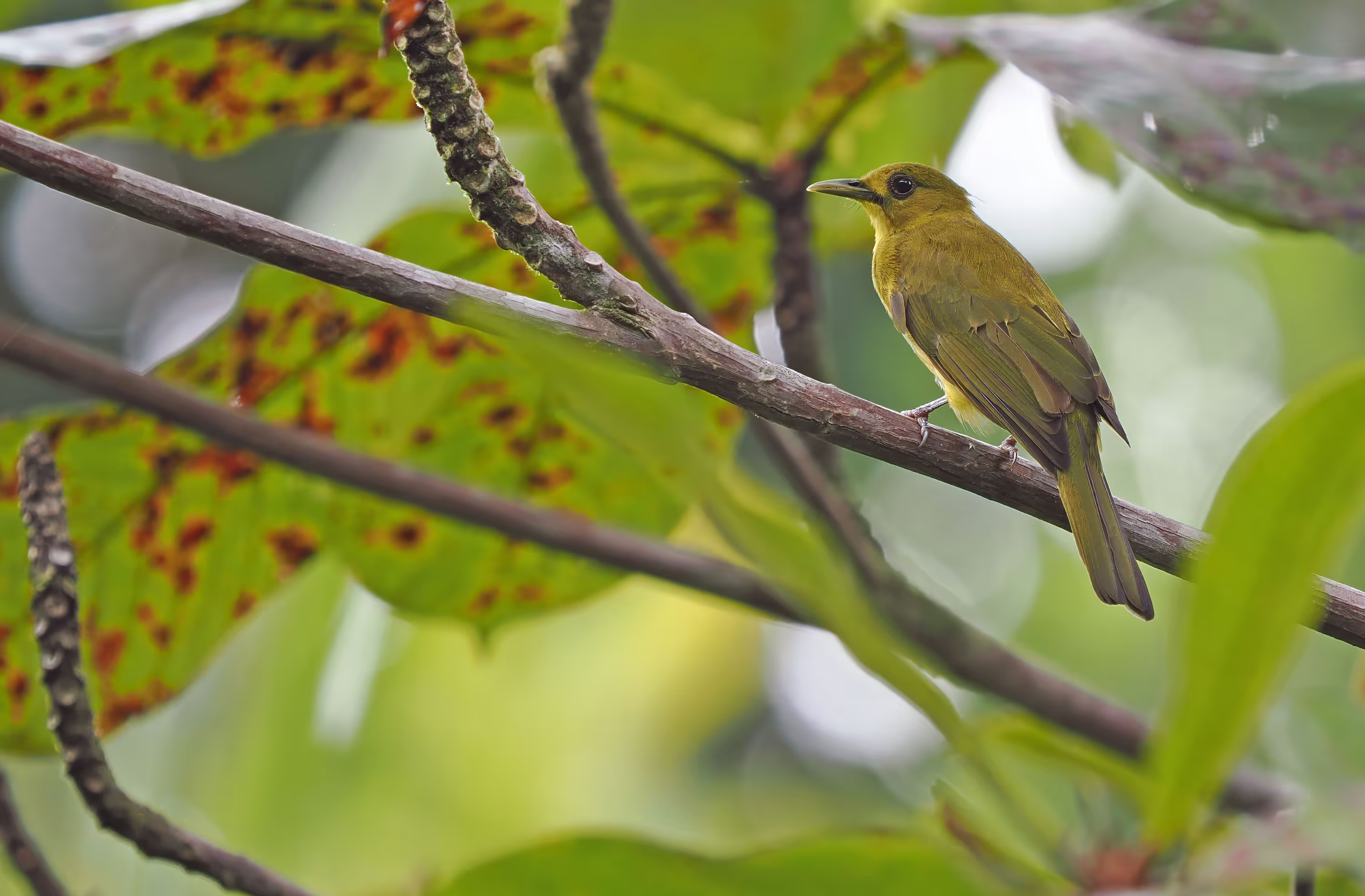
Currently, Obi has just the following endemics Moluccan Woodcock, Carunculated Fruit Dove, Red-tinged Myzomela, Obi Paradise-Kingfisher, Obi Paradise-crow, and Obi Golden Bulbul, according to AviList. However, with forthcoming taxonomic alterations this number will soon jump up to at least five that includes a drongo, fantail, white-eye, whistler and myzomela (latter two both undescribed) all of which we hope to find. It's not only the endemics we'll be looking for, but also a few North Moluccan endemics like Blue-and-white Kingfisher, Violet-necked Lory (of the endemic race, obiensis and split as 'Scaled Lory' along with the West Papuan race), Chattering Lory, and North Moluccan Leaf Warbler.
Bacan
Bacan holds a distinctive white-eye, that will undoubtably be split from the Cream-throated White-eye complex (and already is the regional field guide), and yet another interesting drongo - Bacan Spangled Drongo, and undescribed taxon.
Morotai
Leading the way, we were the first bird company to visit this island. The will also visit Morotai, a small island to the north of Halmahera. With forthcoming taxonomic arrangements, the island will have four endemics - Morotai Friarbird, Morotai Spangled Drongo, Morotai Paradise-Kingfisher and Morotai White-eye. In addition, the island holds a number of endemic subspecies, including Chattering Lory, Halmahera Paradise-crow and Sultan's/Moluccan Myzomela. There are several other species possible, including Violet-necked Lory, Cinnamon-bellied Imperial Pigeon, Varied and Halmahera (Moluccan) Goshawks, Moluccan Scops Owl, Moluccan Hanging Parrot, Drab Whistler, Moluccan Cuckooshrike, Halmahera Golden Bulbul and Halmahera Flowerpecker.
Deposit: £ 600 or $ 800
Single room supplement:
£ TBC or $ 450
Maximum group size: 8
Tour cost includes: all accommodation, main meals, internal flights (between Ternate arrival and Ambon departure), overland transport, entrance fees, drinking water, tips to local drivers and guides, and guide fees.
Tour cost excludes: international flights, flights to start point; Ternate and departure point; Ambon, visa, travel insurance, drinks, tips to tour guides, and other items of a personal nature.
Accommodation: mainly comfortable, though at several sites basic, twin and single bed rooms with en-suite facilities.
On Obi, accommodation is in a local homestay with shared facilities.
Walking difficulty: easy to moderate.
On one morning, at least, on both Seram and Buru, opportunity to trek to the higher reaches of the island, on steep, slippery trails.
Maximum altitude is 1,400m, though those trekking up can reach up to 1,900m.
Expected number of species: 210-260 species
Number of endemics and range-restricted species:
100-120 Moluccan endemics possible.
Our latest tour reports from the region
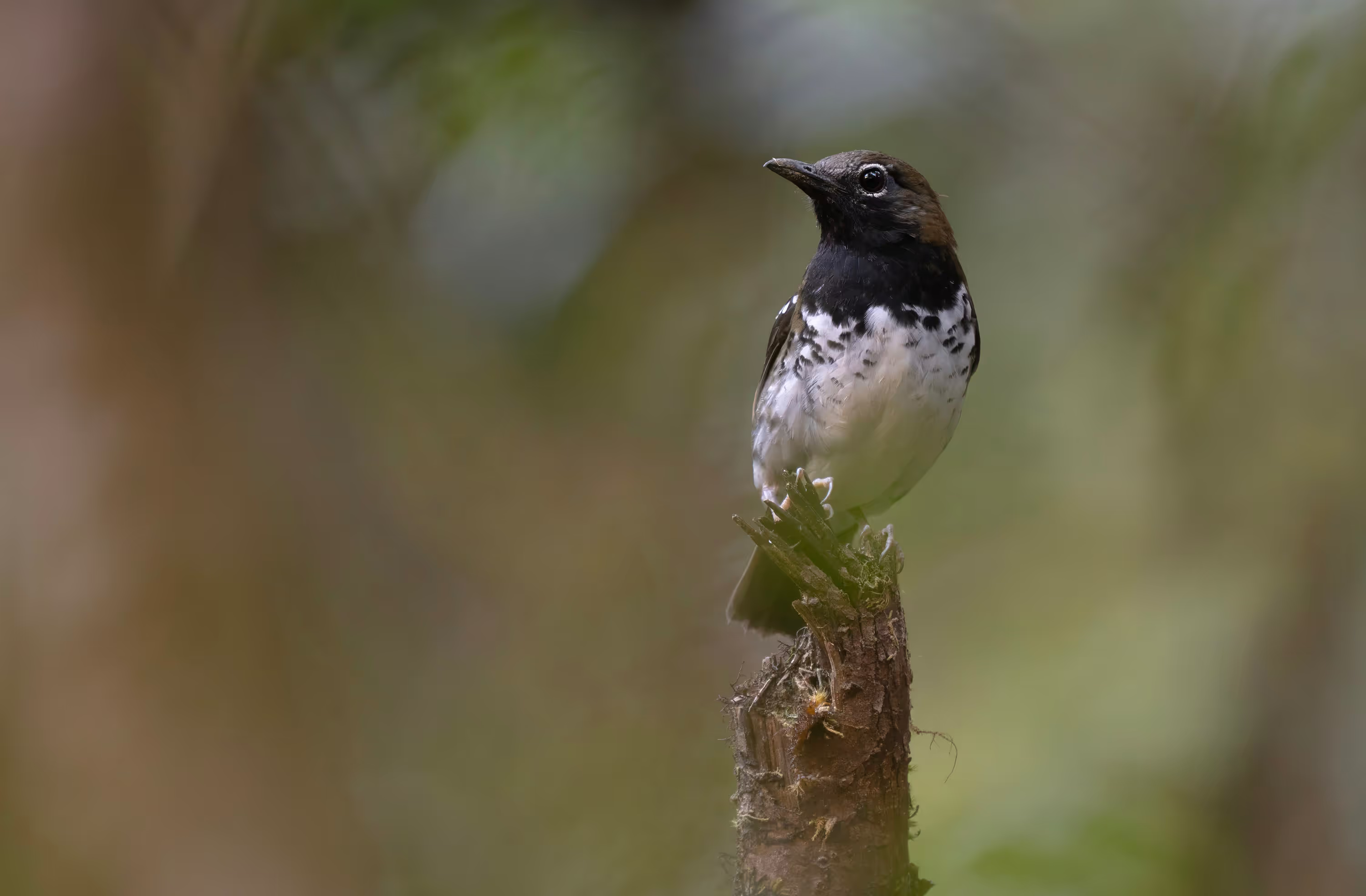
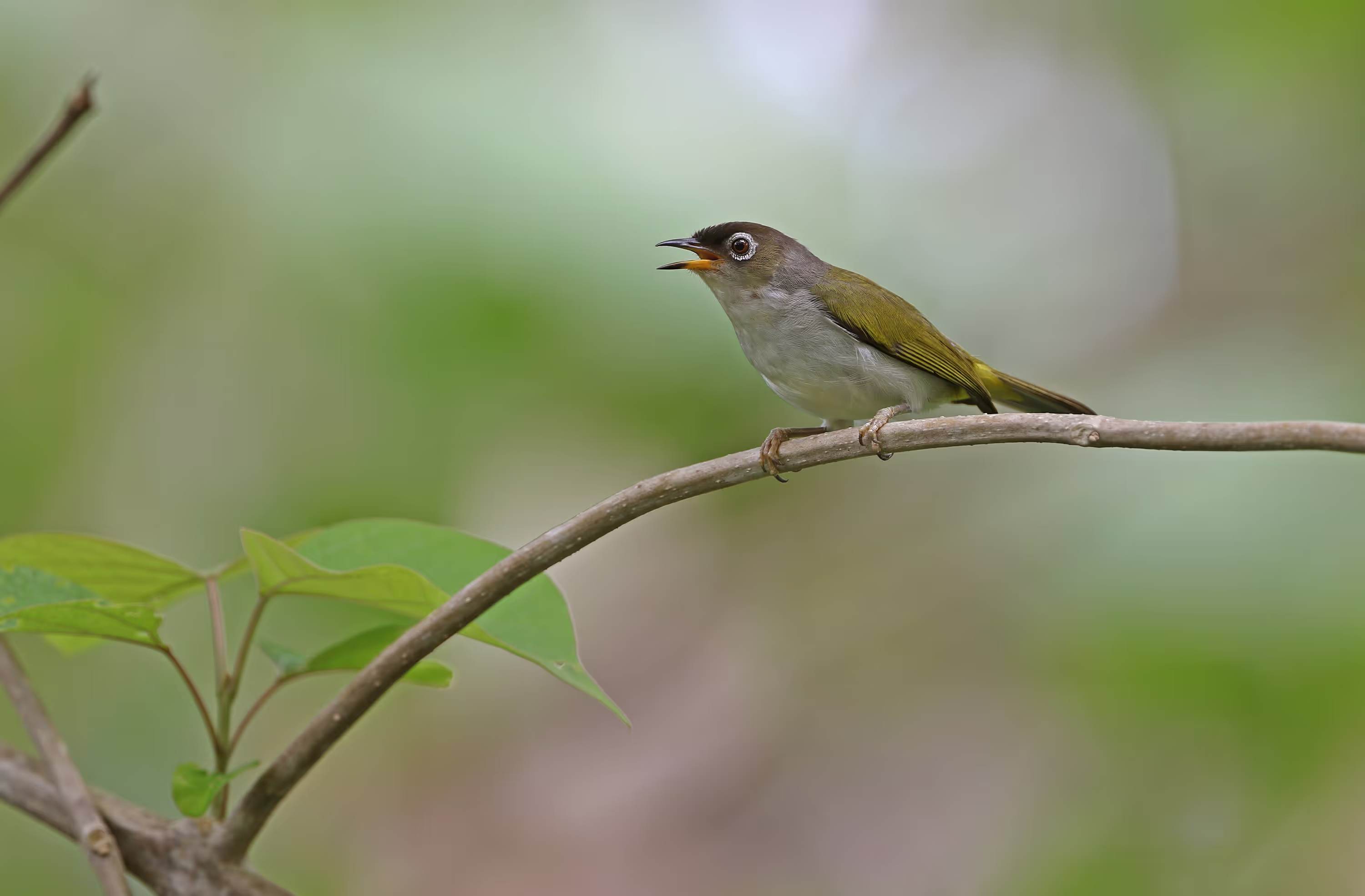
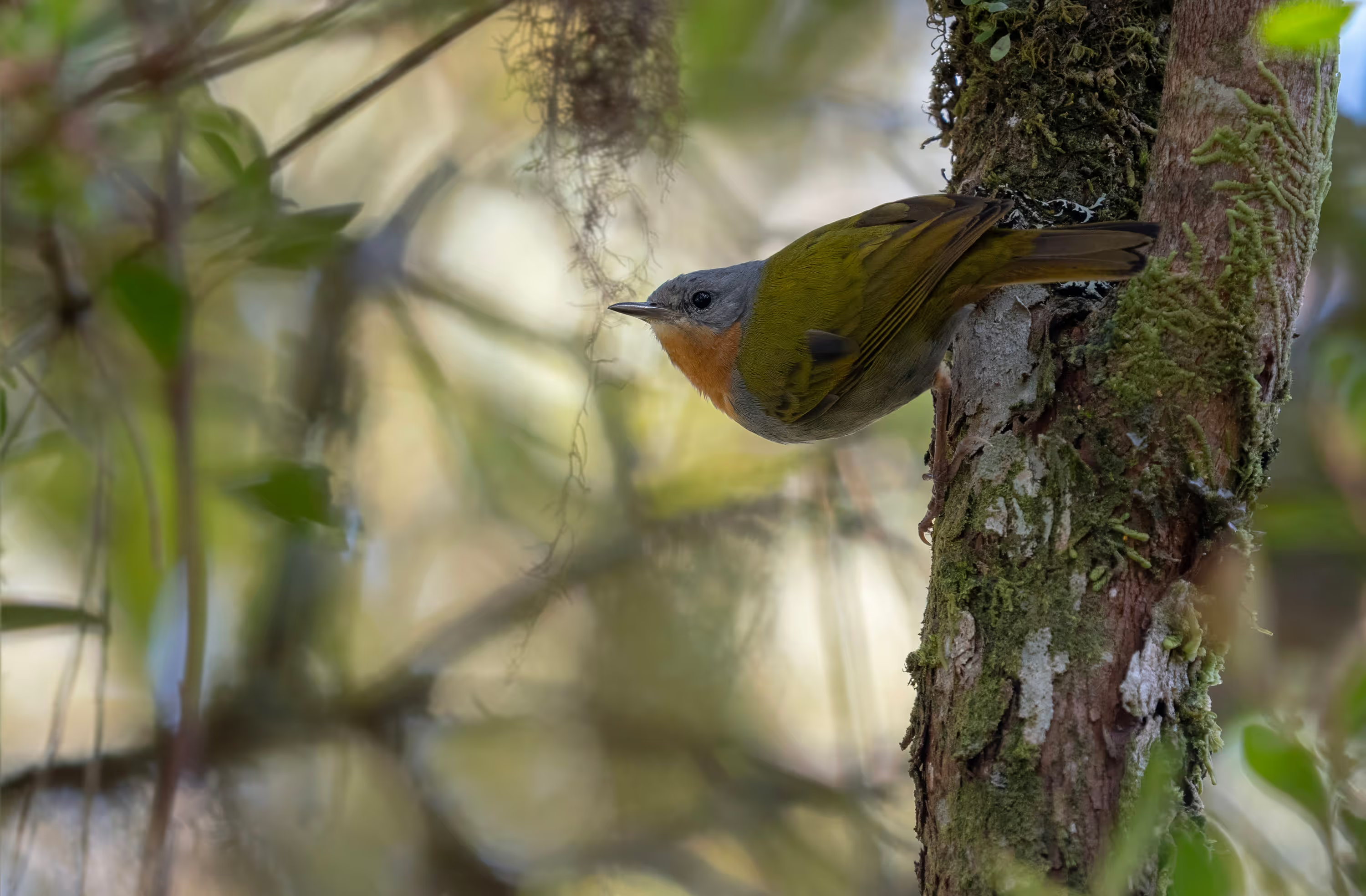
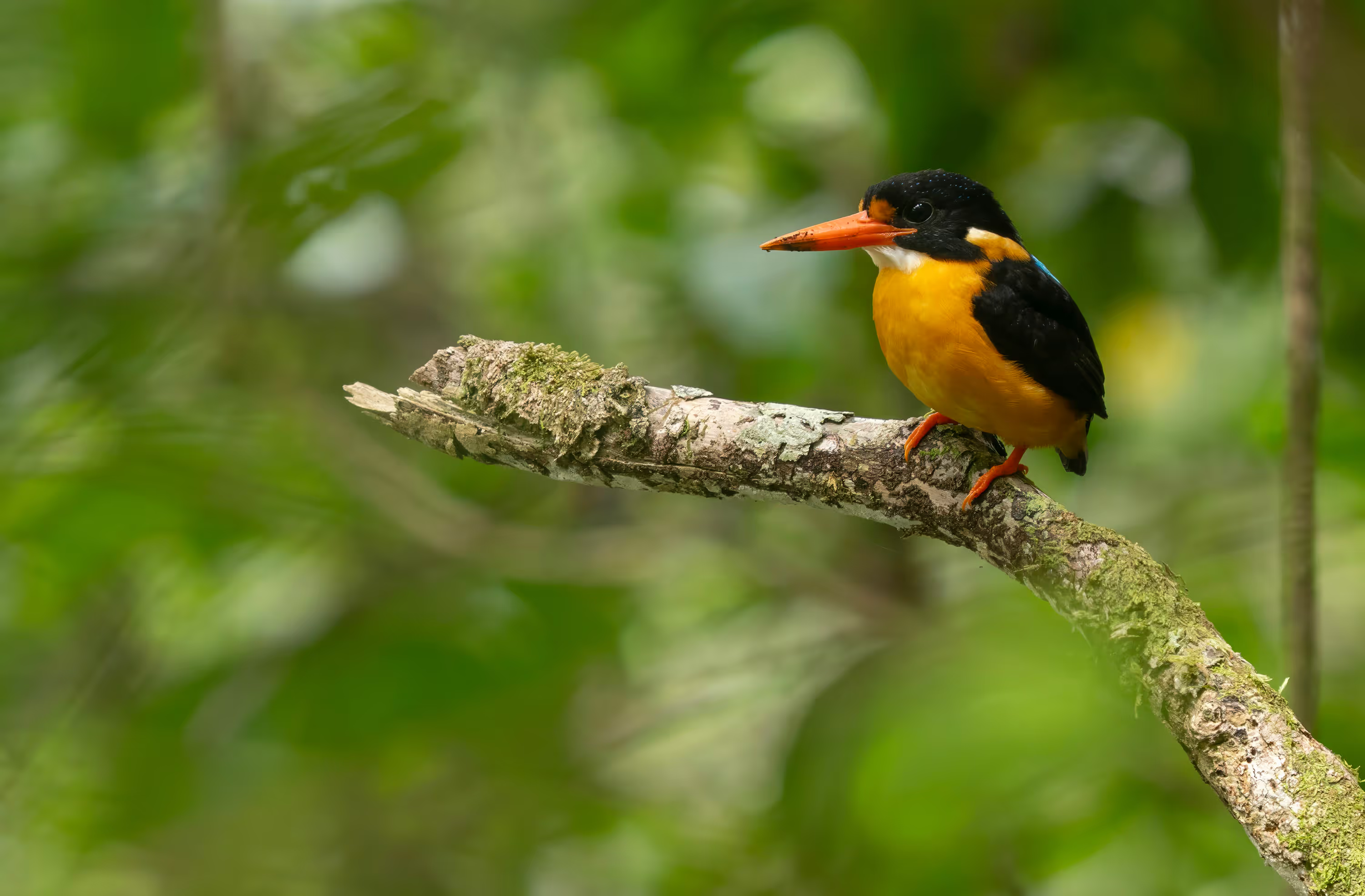
Photos of species from the country, and during the tour

.avif)


.avif)


.avif)

.avif)




.avif)







%20copy.avif)

.avif)