Lying at the very edge of the Indian subcontinent, the Nicobar Archipelago is one of Asia's last great frontiers for birders. Geographically closer to the Indonesia than to mainland India — the largest island in the group, Great Nicobar is separated from Southeast Asia by deep oceanic trenches that have acted as formidable biogeographic barriers for millions of years. Its rainforests remain among the least explored anywhere in the region, and birding here still carries a palpable sense of discovery. For decades, access was extremely limited, logistics complex, and field conditions undeniably rugged — but that is precisely what has preserved its remarkable endemic avifauna.
With foreigners now allowed to visit Great Nicobar island, home to the vast majority of Nicobar islands endemics, the combination of Great Nicobar and Narcondam represent India’s ultimate birding frontier and we're happy to be at the forefront of tours with
Shashank having unrivalled experience of the islands. He having spent over 18 months exploring Great Nicobar and the surroundings islands during his taxonomic research of the endemic taxa.
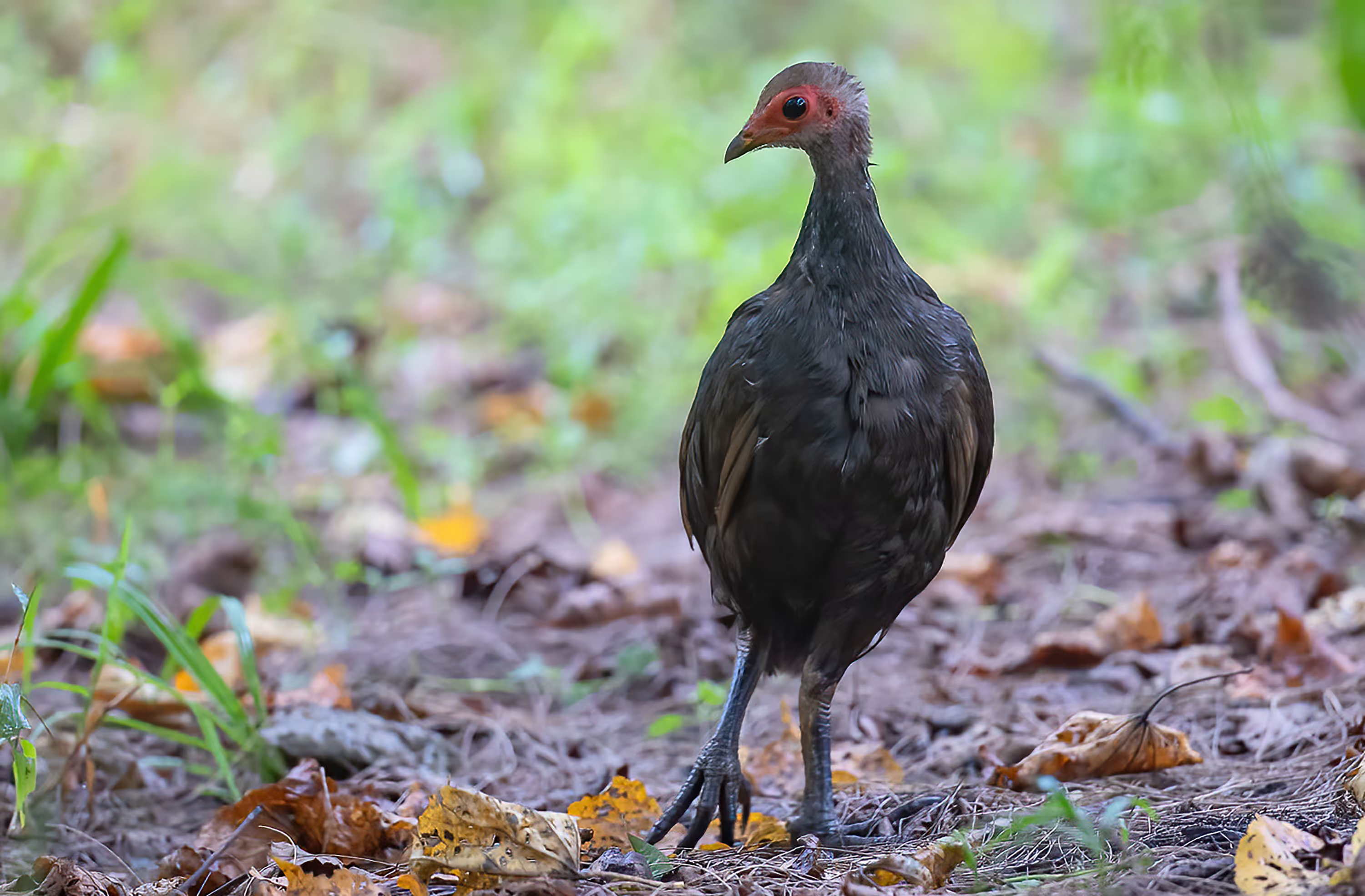
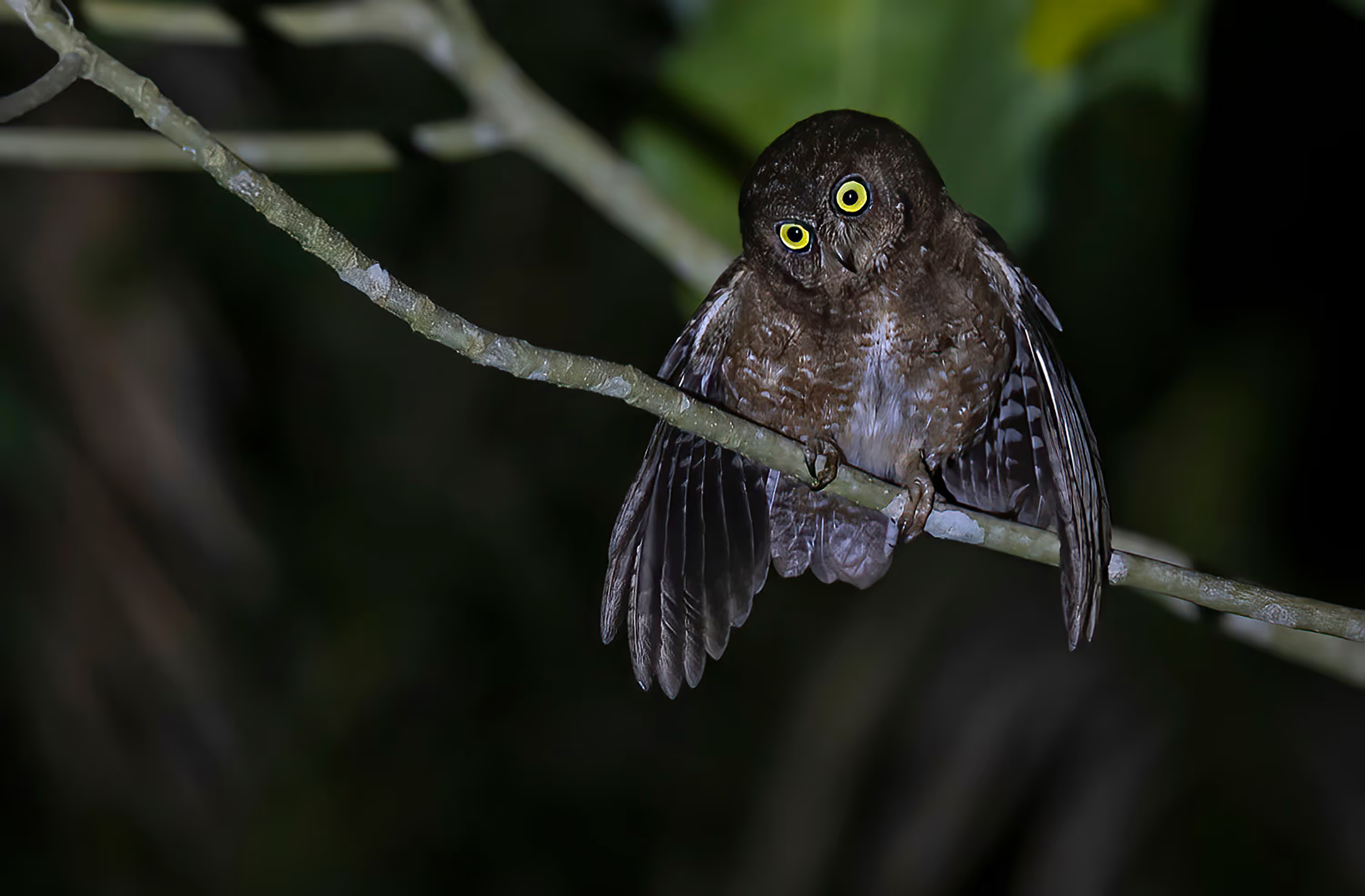
We reach the archipelago by passenger ferry from Port Blair, then spend several nights in a guesthouse on Great Nicobar island. Among the island’s most sought-after species are the mound-building Nicobar Megapode, the striking Nicobar Parakeet, the enigmatic Nicobar Scops Owl, shy Nicobar Jungle Flycatcher, the jewel-like Nicobar Hooded Pitta, and the world’s smallest eagle, the Nicobar Serpent Eagle. Adding to the excitement is the still undescribed Great Nicobar Crake — a taxon that hints at how much remains to be understood about these forests. One of the reasons for visiting the island at this time of year is in the hope of finding a crake as they begin to sing from April through to the monsoon season.
In addition, Nicobar Imperial Pigeon will be seen, while Andaman Wood Pigeon is also possible (a welcome surprise for those that have missed it on the Andamans). With several populations likely candidates for future taxonomic elevation, Great Nicobar is a must-visit destination for serious listers.
It should be noted that due to restrictions on other islands, Nicobar Sparrowhawk will not be possible, but Nicobar Bulbul is possible while we stop briefly on Kamorta en-route to Great Nicobar.
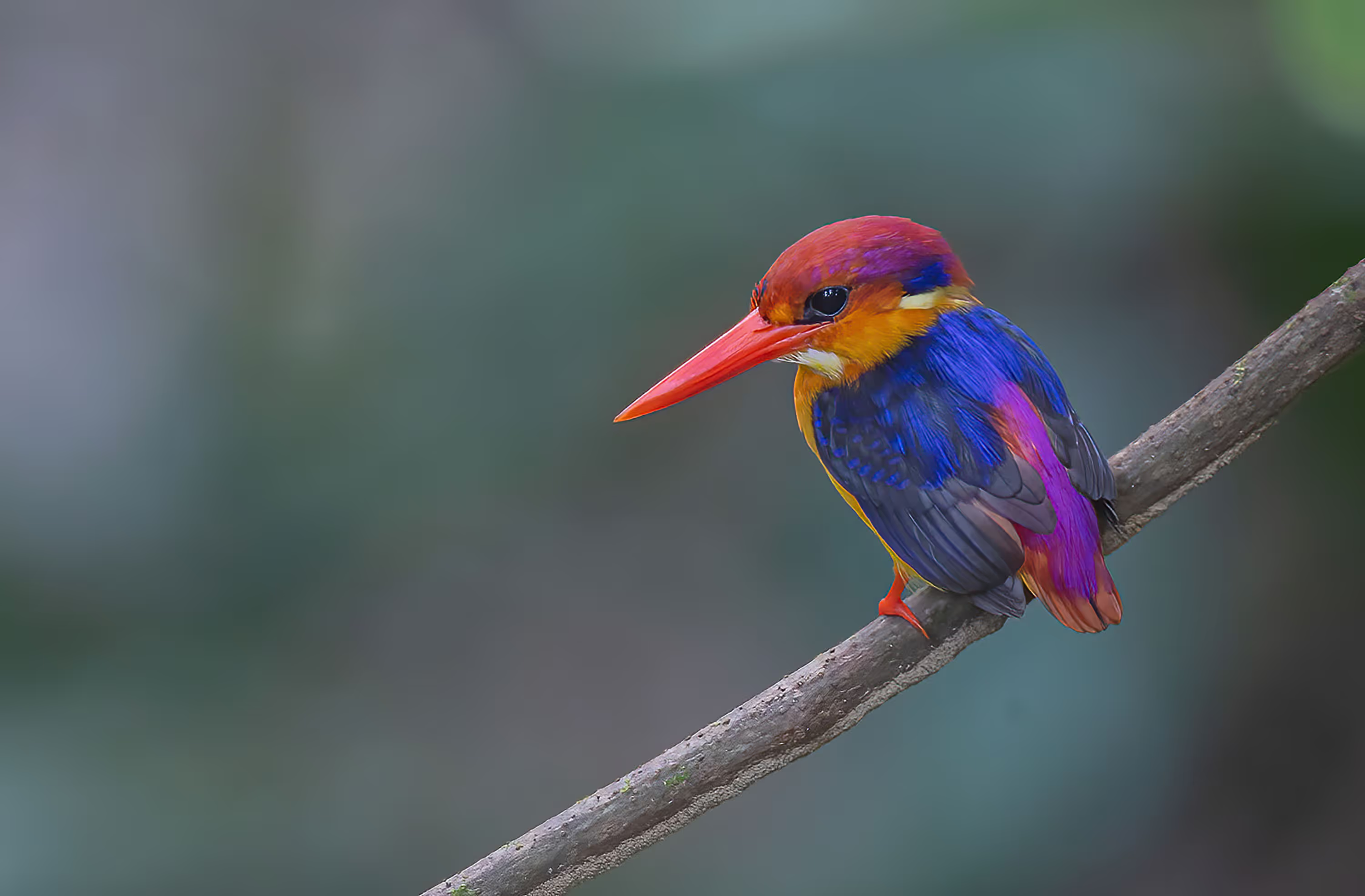
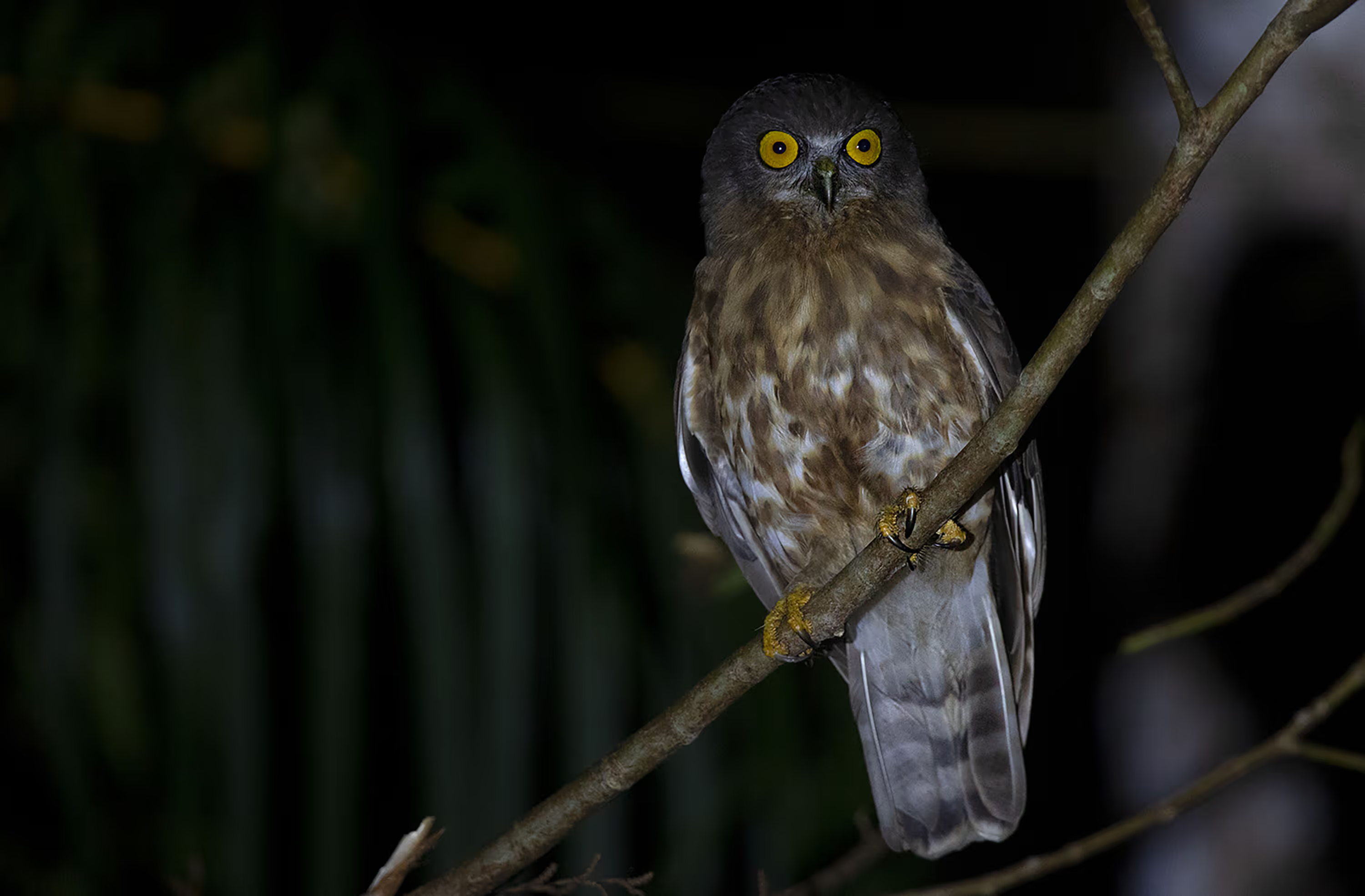
A set of endemic subspecies are also possible, including: Andaman Cuckoo Dove, Asian Emerald Dove, Long tailed Parakeet, Brown Boobook, Black-backed Dwarf Kingfisher, Stork-billed Kingfisher, Collared Kingfisher, Black-naped Monarch, Ornate Sunbird, Crimson Sunbird, White-rumped Munia, Asian Glossy Starling, Common Hill Myna, Black-naped Oriole, Indian White-eye and Greater Racket-tailed Drongo.
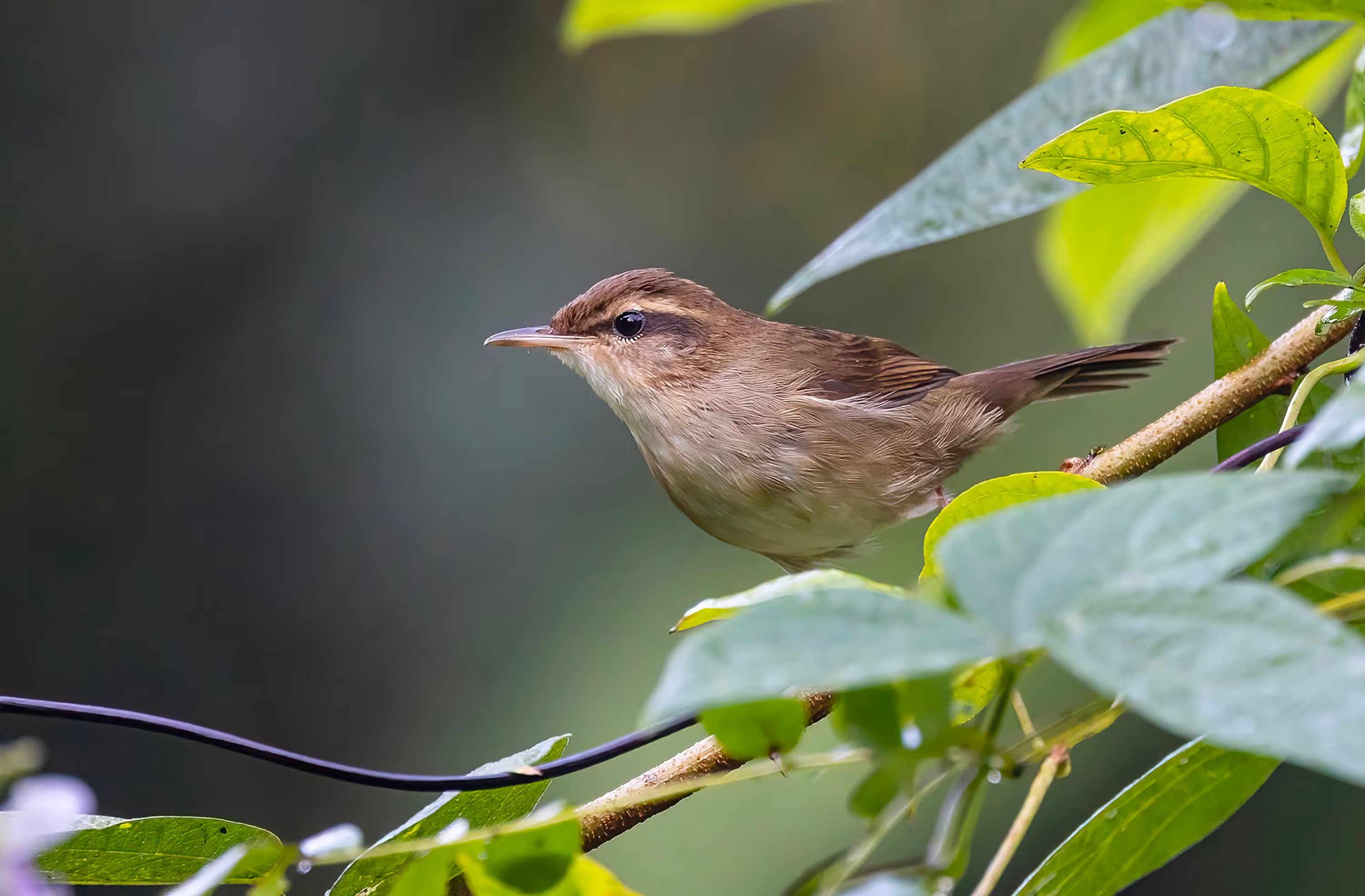
After returning to Port Blair, we drive up to Middle Andaman, where 'Andaman Bush Warbler' (a likely split from Pale-footed Bush Warbler) is possible, together with a host of nocturnal endemics. From there we take a private speedboat to Narcondam island,
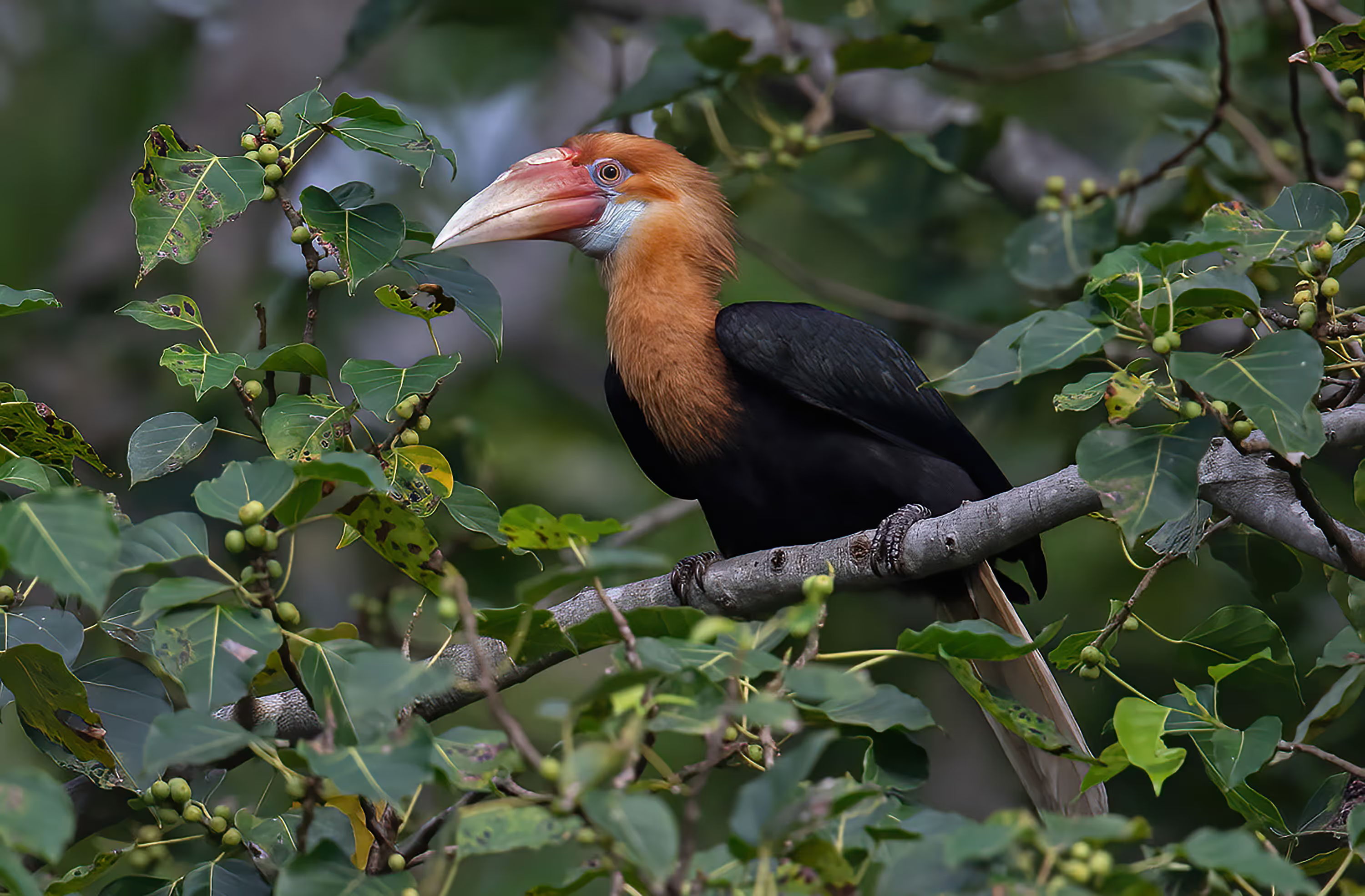
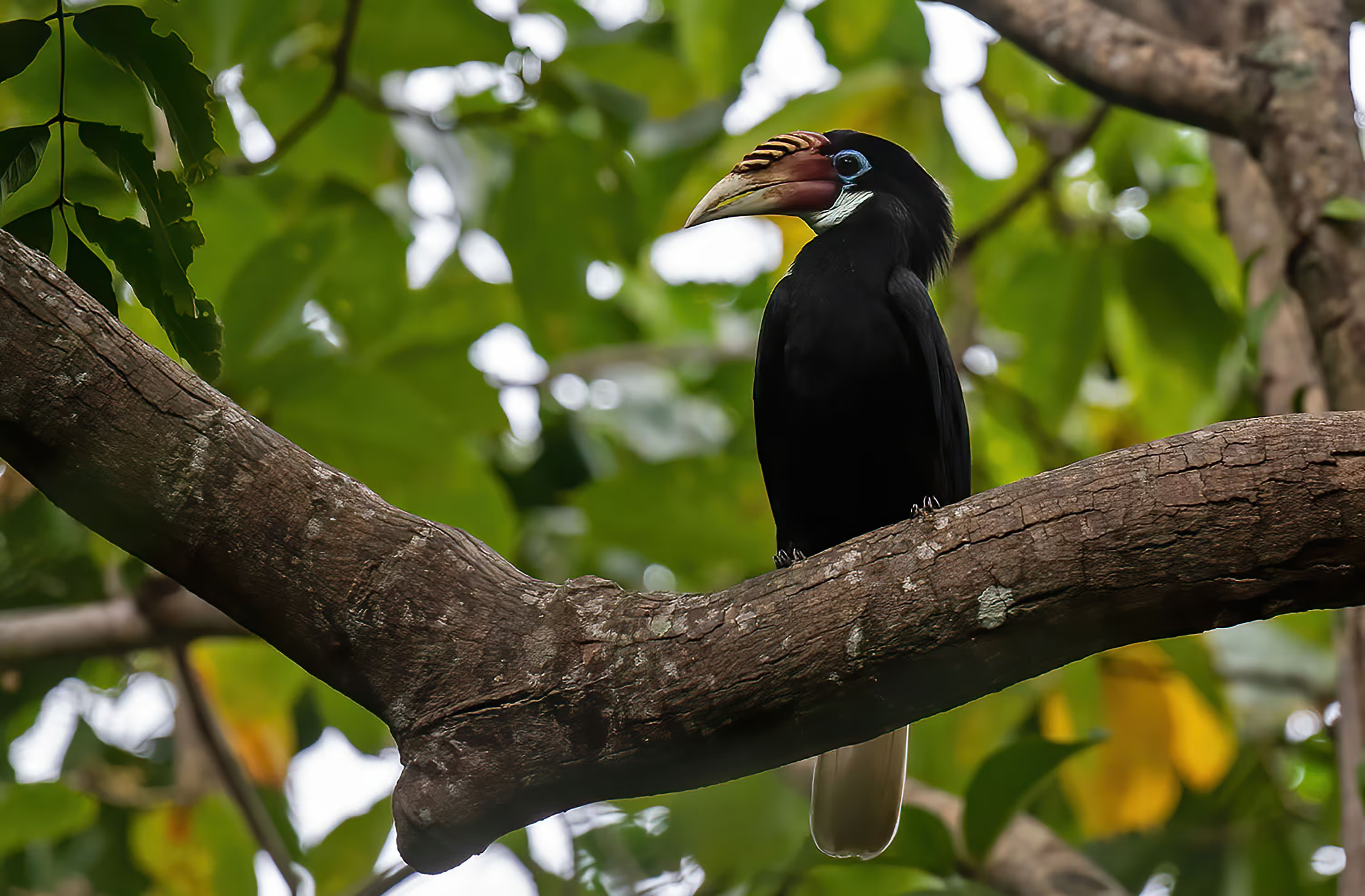
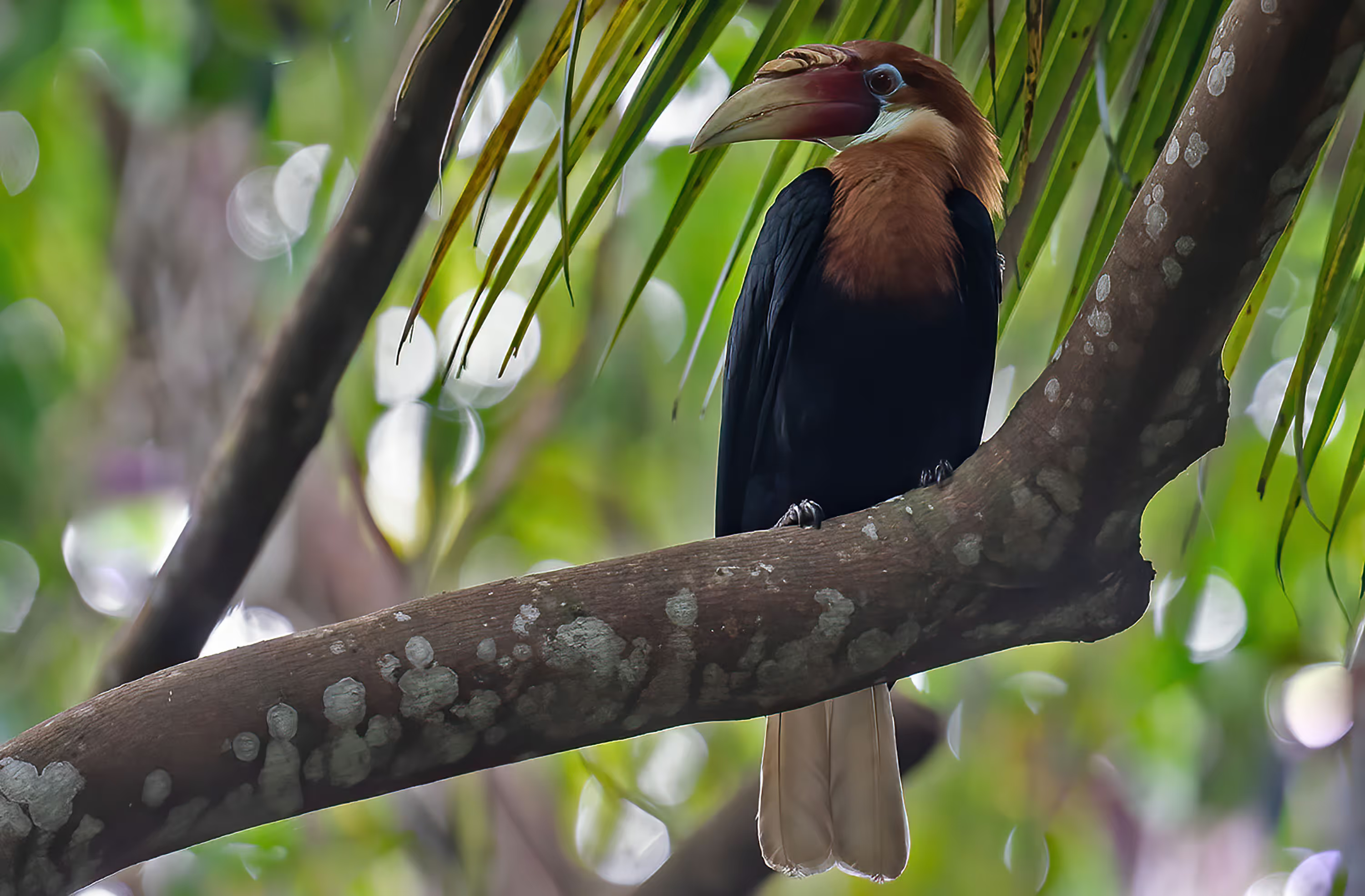
a dramatic dormant volcanic cone rising abruptly from the Andaman Sea. Narcondam is a tiny island, barely covering 6.8 square kilometres, yet it is home to one of Asia’s most extraordinary endemics: the Narcondam Hornbill. How such a large-bodied hornbill colonised this isolated speck of land has long puzzled explorers and ornithologists. Today, it boasts the smallest global range of any hornbill species and some of the highest population densities of any hornbill in the world.
Deposit: £ 600 or $ 800
Single room supplement:
£ TBC or $ TBC
Maximum group size: 5-6
Tour cost includes: all accommodation, main meals, return ferry (Port Blair - Great Nicobar), return speedboat (Middle Andaman - Narcondam), overland transport, entrance fees, drinking water, tips to local drivers and guides, and guide fees.
Tour cost excludes: international flights; flight to Port Blair, visa, travel insurance, drinks, tips to tour guides, and other items of a personal nature.
Accommodation: basic but comfortable twin, and single, rooms with private facilities on Great Nicobar.
Port Blair is comfortable rooms with private facilities.
Nicobar ferry will be shared (2 or 4) cabins, without private facilities.
Walking difficulty: easy to moderate throughout, mainly on wide tracks and roads, with few forest trails.
Expected number of species: <100 species.
Number of endemics and range-restricted species: 7-8 Nicobar endemics. Two endemics (bulbul and sparrowhawk) are not present on Great Nicobar, with the bulbul possible en-route.
In addition, undescribed Great Nicobar Crake is possible.
Narcondam Hornbill, and small birdie possible on Andaman's, useful for those that may have missed any endemics here previously.
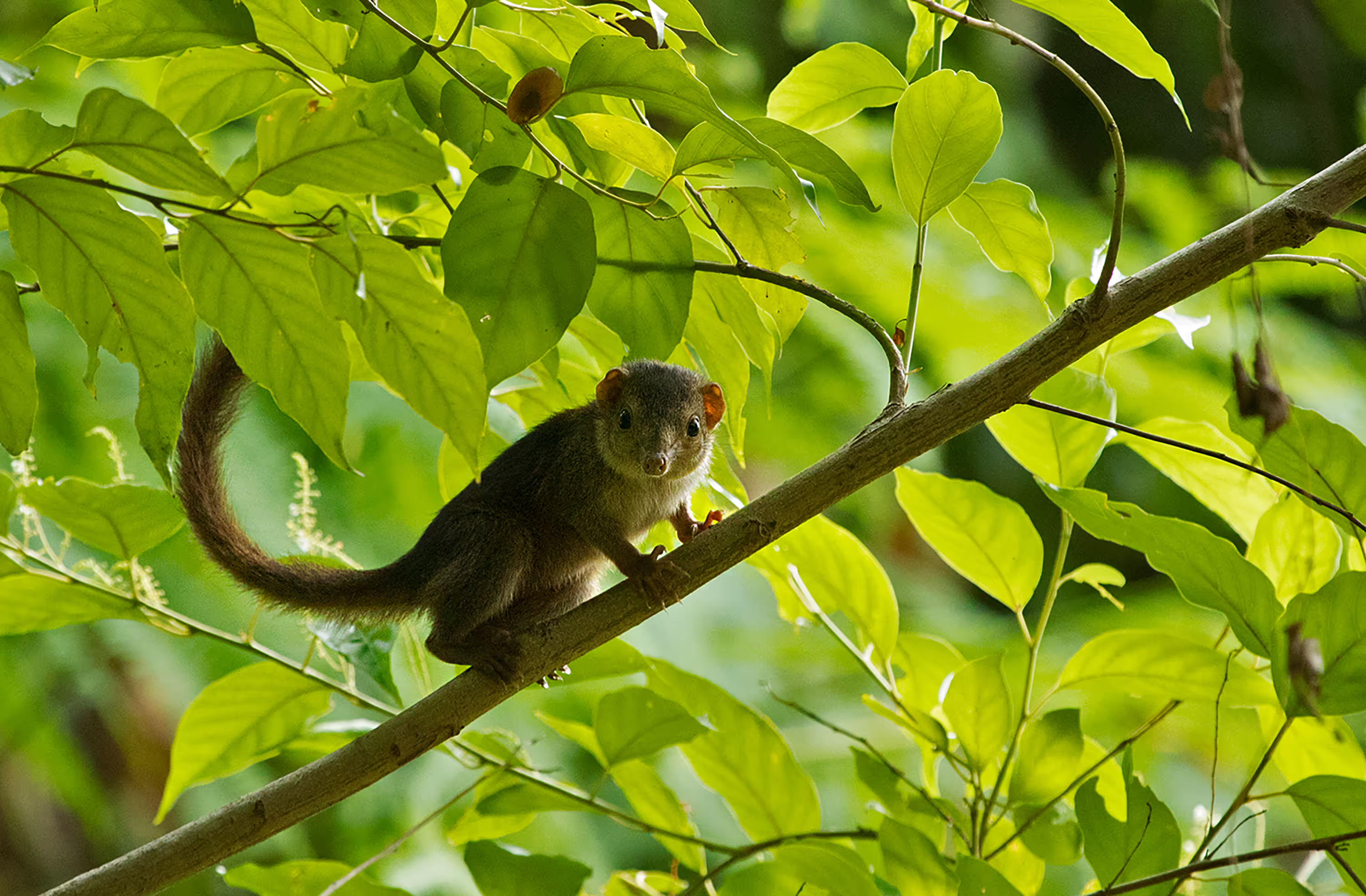
Photos of species from the Nicobars and Narcondam.